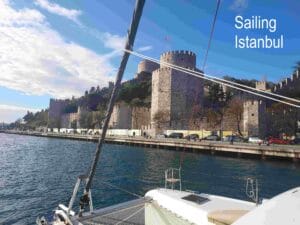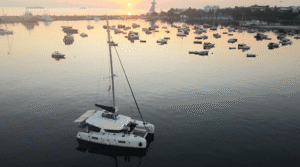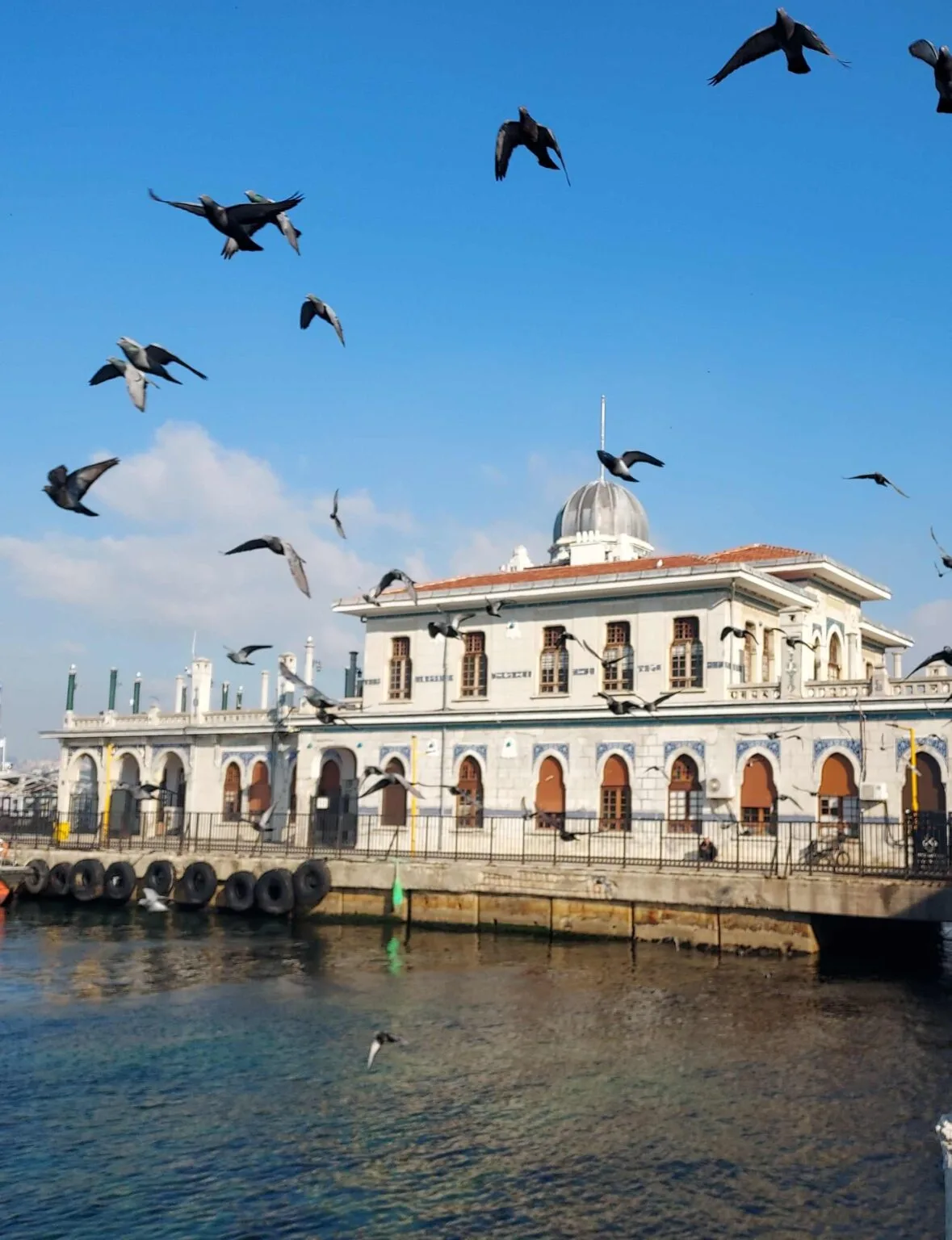
After 7 weeks of sailing in Turkey, we decided to sail back to the Greek islands. We wanted to head south (towards Crete) and had the choice either to continue sailing along the Turkish coastline (past Izmir and Bodrum) or to cross over to the Greek islands on the southern route (Lesbos, Mykonos and Santorini).
We chose to cross to the Greek islands. And although we had already been sailing in Greece for over a year and only spent 7 weeks in Turkey, we realised we still prefer Greece for sailing. Below you’ll find our review of sailing in Turkey: our 10 lessons learned — with quite mixed feelings.
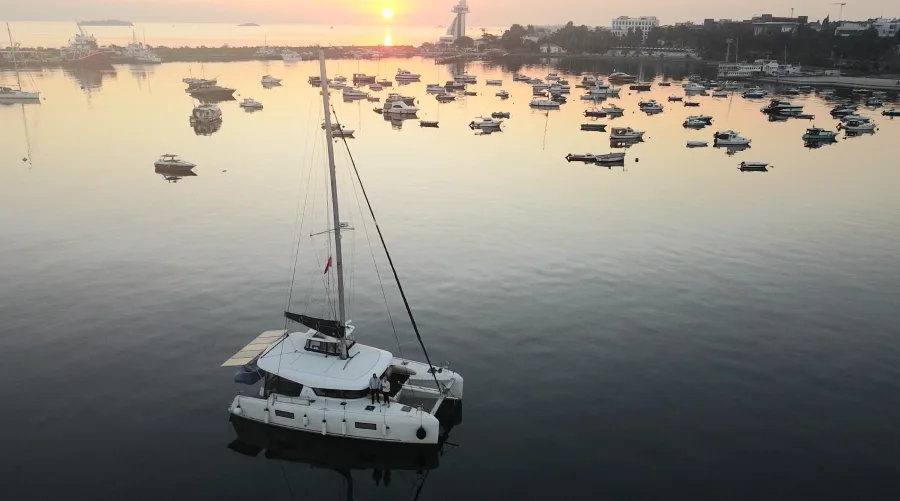
1. Turkish bureaucracy feels intense
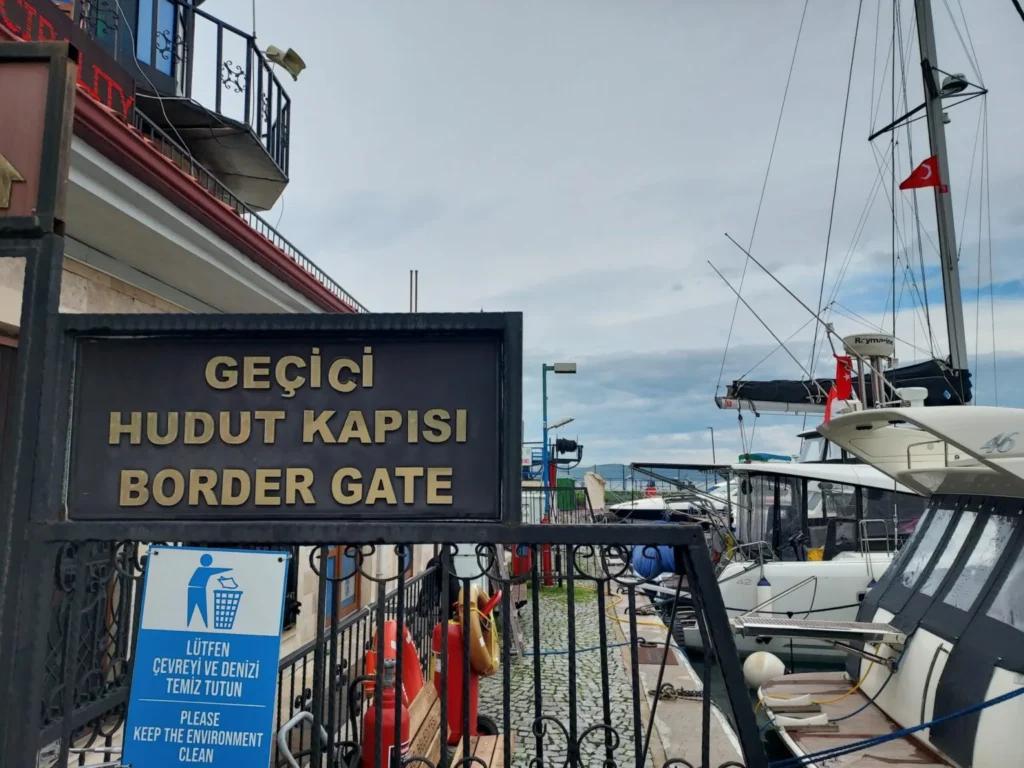
When you sail outside the EU as a Dutch citizen, you have to officially check out of the EU and check in with the non-EU country’s customs. In our case, we had already done this three times: the UK/Scotland, Albania and Montenegro. In Greece, the check-in and check-out procedures were efficient, routine and cheap (€15).
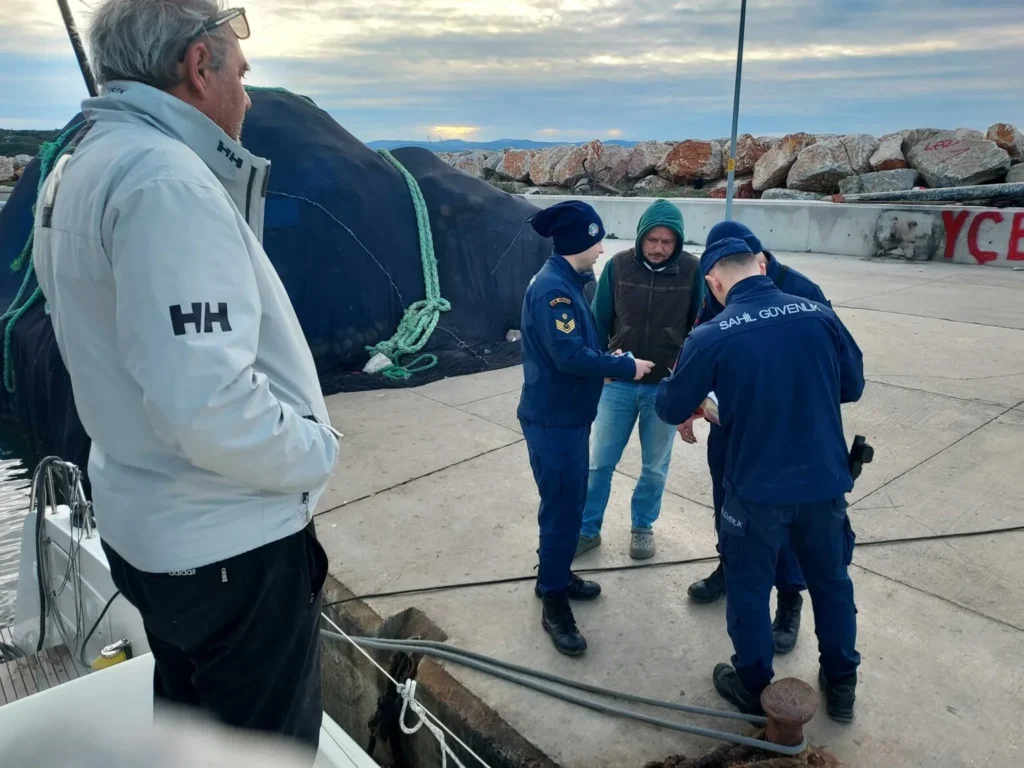
Turkey was very different. Upon arrival in Çanakkale, we had to hire an agent who went on our behalf to six different authorities — police, customs, coast guard, harbour master, regular police and port authority — all requiring forms, stamps and copies. The procedures take time and are expensive (around €80 per authority, often paid in cash, which made us wonder: is this really correct?).
In Turkey, additional documents were also required, such as the Transit Log, DAU and Blue Card (mandatory registration for black and grey water disposal in ports). And when checking out again, through the same agent, we had to visit all these authorities once more.
It all feels like a system of rigid rules that apply everywhere and are frequently checked by the coast guard, but whose logistical added value often remains invisible.
2. The Tea Ritual
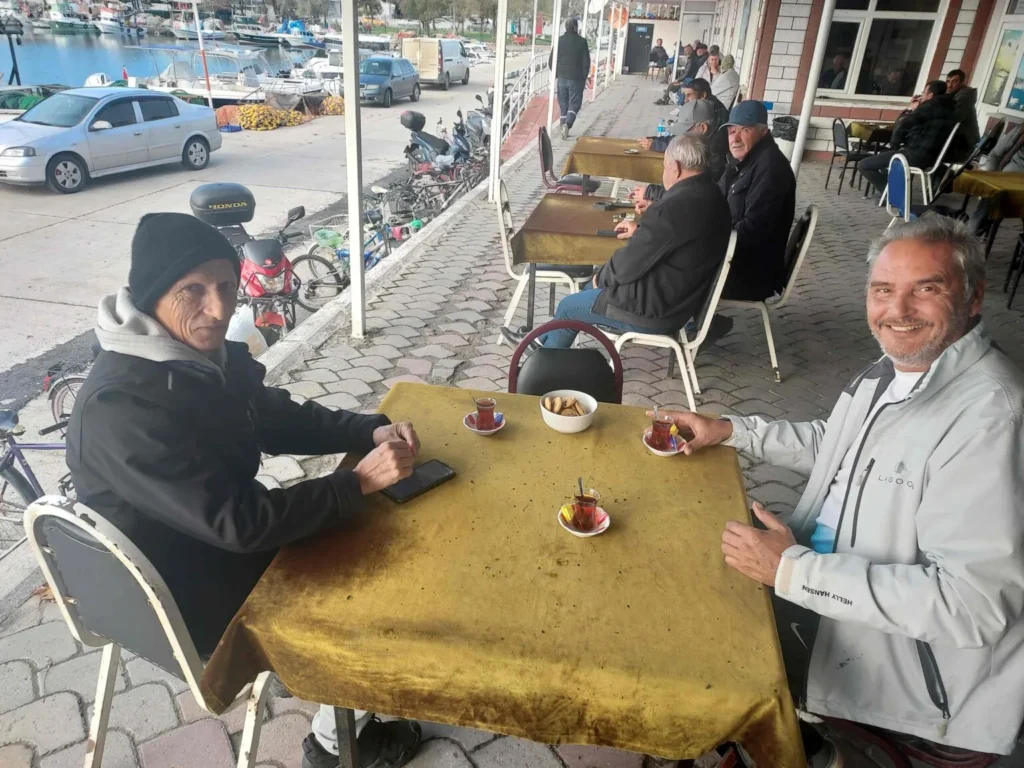
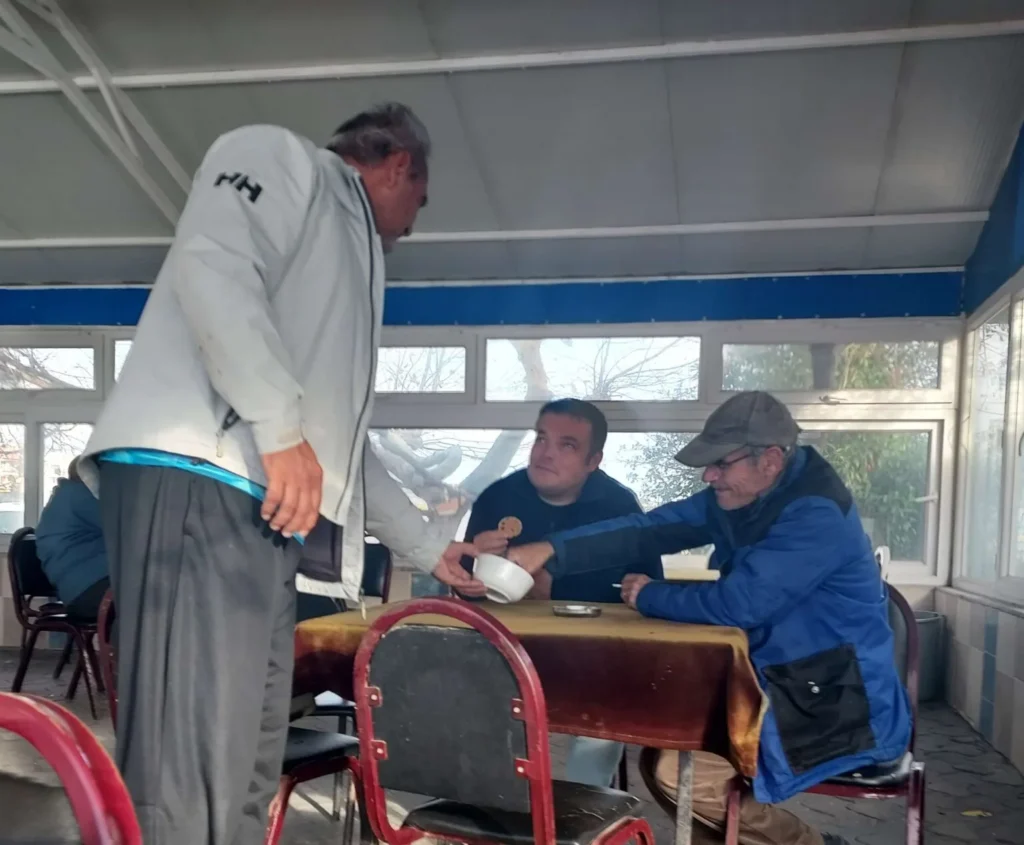
While our contact with port authorities felt impersonal and very money-driven, the contact with local people was warm and personal. We were not familiar at all with the Turkish tea ritual, and only discovered it after a few days when, due to the lack of space in marinas, we ended up in a fishing harbour.
We were invited for çay (tea) — not just a drink, but an invitation to talk, relax and connect. Only after that would practical help follow, such as electricity, mooring assistance or information about the area.
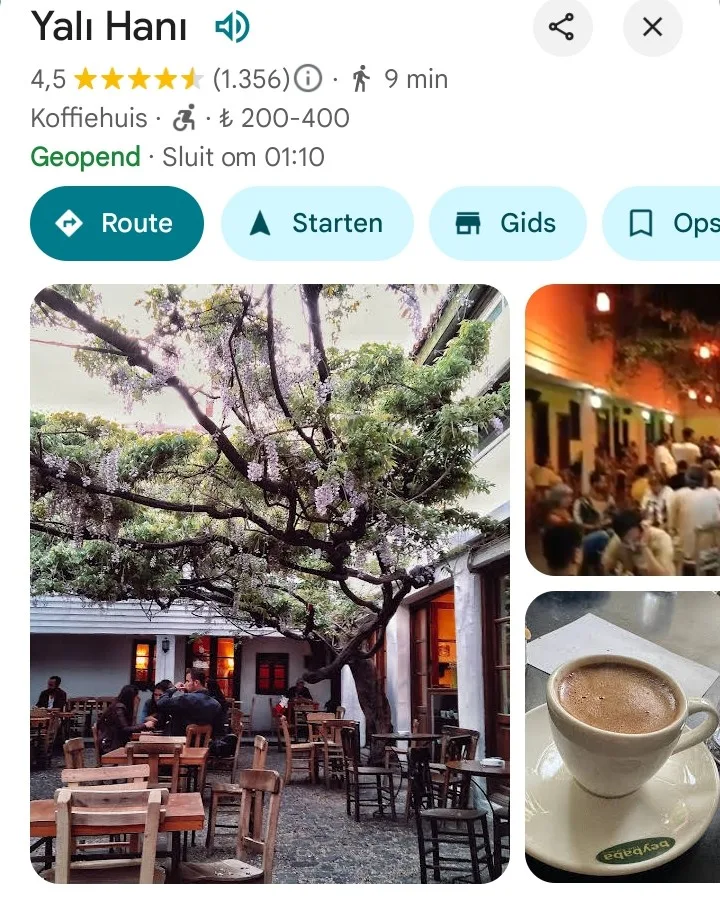
Turkey also has tea gardens, where people sit on small stools chatting over tiny glasses of very strong tea (a sugar cube is almost mandatory!). It’s a cultural phenomenon that opens conversations and expresses hospitality. Tea flows fast — often three glasses per hour.
3. Kind and social people
In small Turkish harbours, local fishermen often spontaneously offered help. They would walk towards us on the quay, point out good spots, or even move small boats for us. If they had electricity in their own fishing huts on the quay (with a regular plug), they were happy to share it.
This kindness felt genuine, not commercial. Instead of trying to sell something, the attitude was:
“How are you? Did you find everything? If you have questions, let us know.”
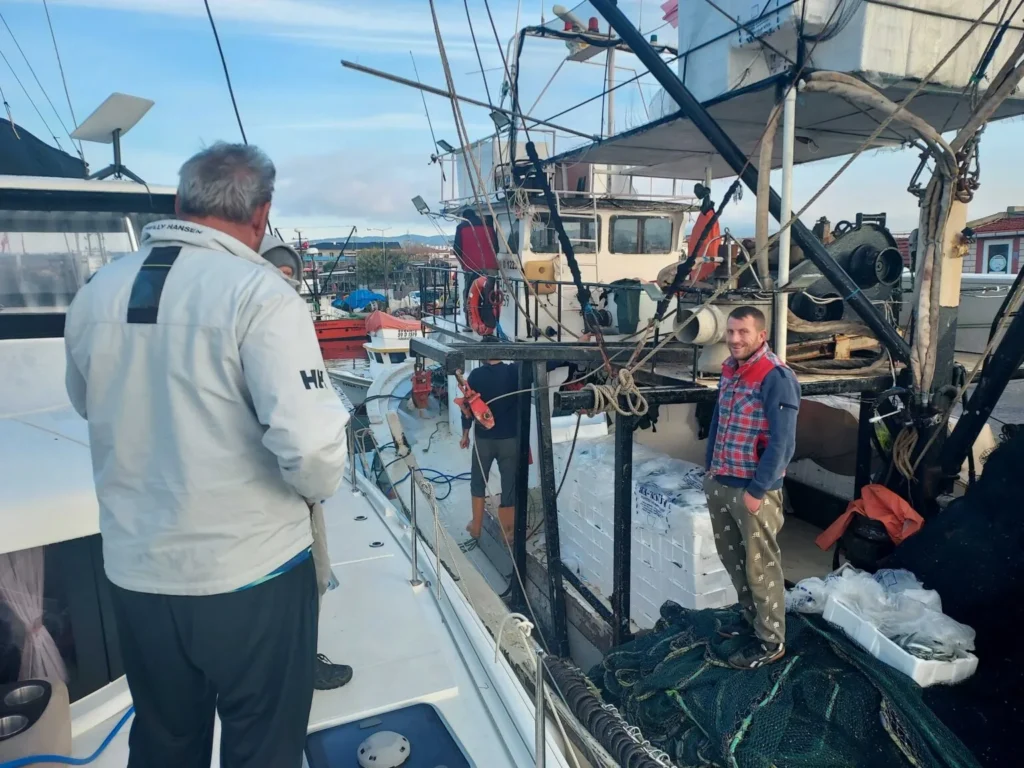
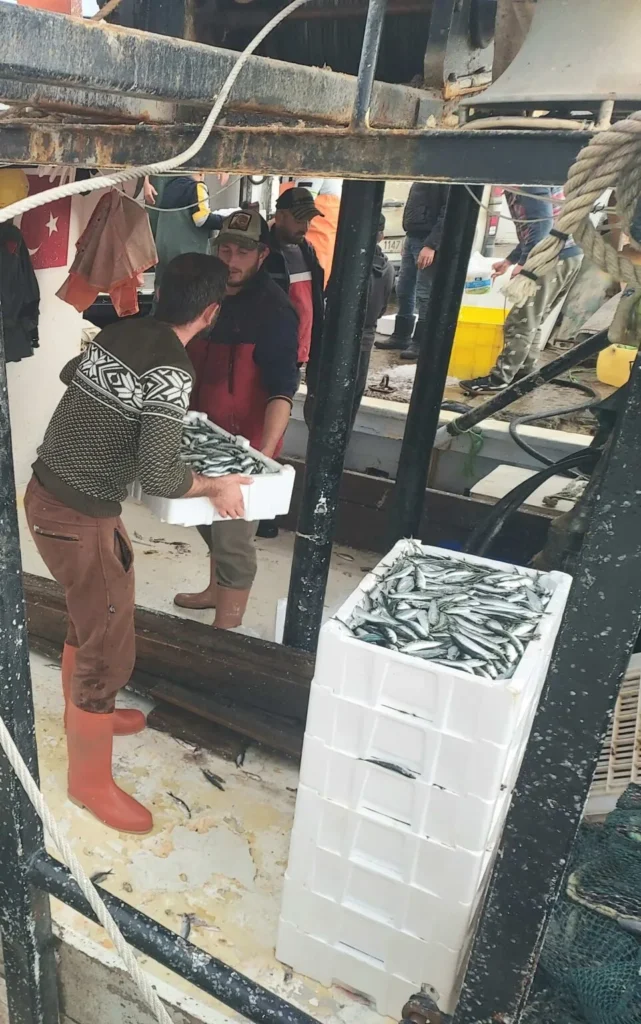
We have never before been offered so much food and drinks, or been invited so often into people’s homes to eat. At first we felt shy about this — they barely spoke English, so would you really sit there for hours? We often said no, and you could clearly see the disappointment on their faces. It’s probably quite rude to firmly say “no” when someone invites you into their home for coffee or tea.
After a few weeks, we started accepting invitations for tea, especially when people pointed to a tea garden or the local fishermen’s cooperative building.
And the man who invited us for food? When we said no, he simply showed up on board with a plate of Turkish pasta with herbs. Or the time we sat quietly on a bench at the edge of a park overlooking a busy tea garden — the waiter suddenly brought us tea, paid for by two locals sitting nearby. Unbelievable.
What stayed with us most: people take time for you. Whether it’s a cup of çay or fish grilled right in front of you, social contact never feels rushed. It’s not about fast service, but about real presence — encounters that sometimes take longer than expected, but are far richer. People were genuinely curious about us as people, not just as sailors. And when we told them how sympathetic we found this, they looked at us as if we’d just stated the obvious. Hospitality is simply natural to them.
4. Poverty and run-down towns
During our journey, it struck us how many parts of Turkey appeared poor: simple, poorly maintained houses. We never felt unsafe or unwelcome, but many places looked grey and neglected. Of course, we weren’t expecting polished beach bars like in Sardinia — it’s not about “ugliness”, but rather about a lack of variation in landscapes and poorly maintained streets.
Wages are significantly lower than in the Netherlands or Northern Europe, and the general welfare standard is not high everywhere. The average monthly salary in Turkey is many times lower than in most European countries, and while the cost of living is adjusted accordingly, low wages also mean many people live very simply and infrastructure is basic in many places.
Statistics show that a significant part of the Turkish population lives below the poverty line and many households struggle to meet basic needs. And yet people still offered us food and insisted on paying for our tea. We were deeply impressed by the willingness of Turkish people to share, despite having so little.
The landscape also often felt repetitive: green hills, little variation. In Greece, landscapes differ strongly from island to island — something we missed here.
5. Sailors are welcome — but at a high price
As kind, hospitable and helpful as locals are in villages and cities like Istanbul, things become very business-like the moment you enter a Turkish marina.
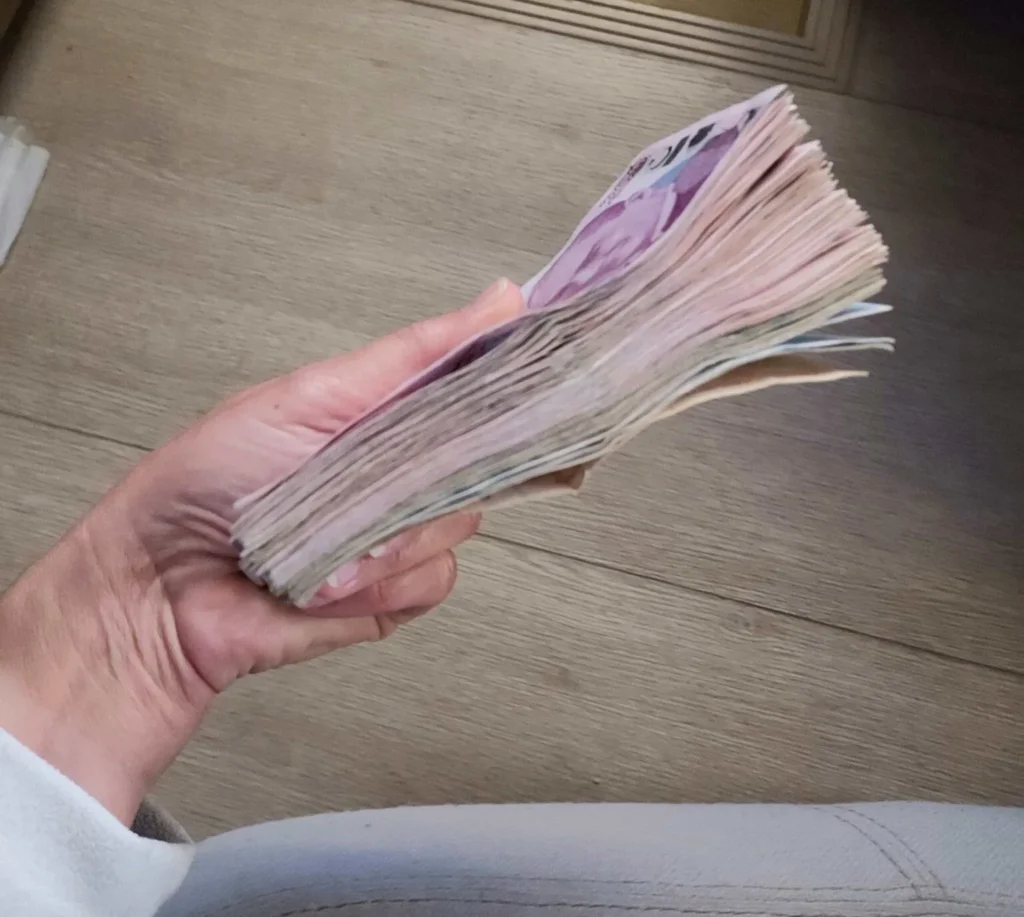
In the first marinas we visited, everything was completely full. When we walked to reception to ask if there was space, prices were quoted at €200–€300 per day. We were shocked. We understand that a catamaran takes up more space, but these prices felt excessive — especially for the often simple and poorly maintained marinas we encountered.
Closer to Istanbul, prices only increased. We were quoted €400, and the most expensive marina asked €727 per night. And did you get premium service, brand-new pontoons, security, water and electricity included? Not at all.
This frustrated us. At one point, after hearing “€400 per night” again, I asked directly: “We’ve been to Monaco and Ibiza — we never paid this there. What’s going on?”
Three reasons were given:
- there are many boats and few marinas, driving prices up
- many Russians relocated to Turkey due to sanctions and paid high prices
- inflation in the Turkish Lira (sometimes up to 80% per year) is passed on directly to the euro — so a marina that cost €100 in 2020 cost €180 the next year
You might think: “Then just anchor and avoid marinas.” We did anchor a lot and often stayed in fishing harbours for free, sometimes even three boats side by side. The problem was winter: we needed electricity due to limited solar power and occasional heating in Northern Turkey. Fishing harbours rarely had power, and you still want easy access to land.
It became a hassle. We occasionally chose marinas charging €140, which felt like our absolute maximum — but locals considered that incredibly cheap. Around marinas, we truly felt like a floating wallet.
6. Deep respect for national identity
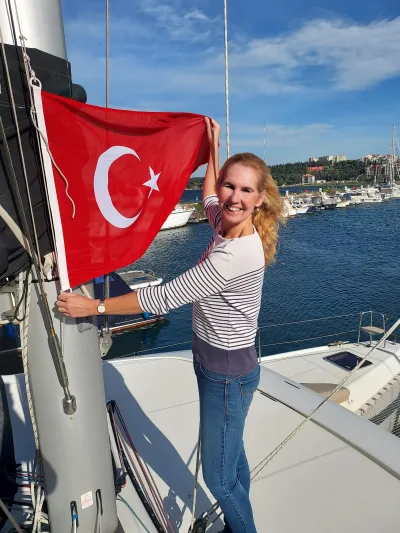
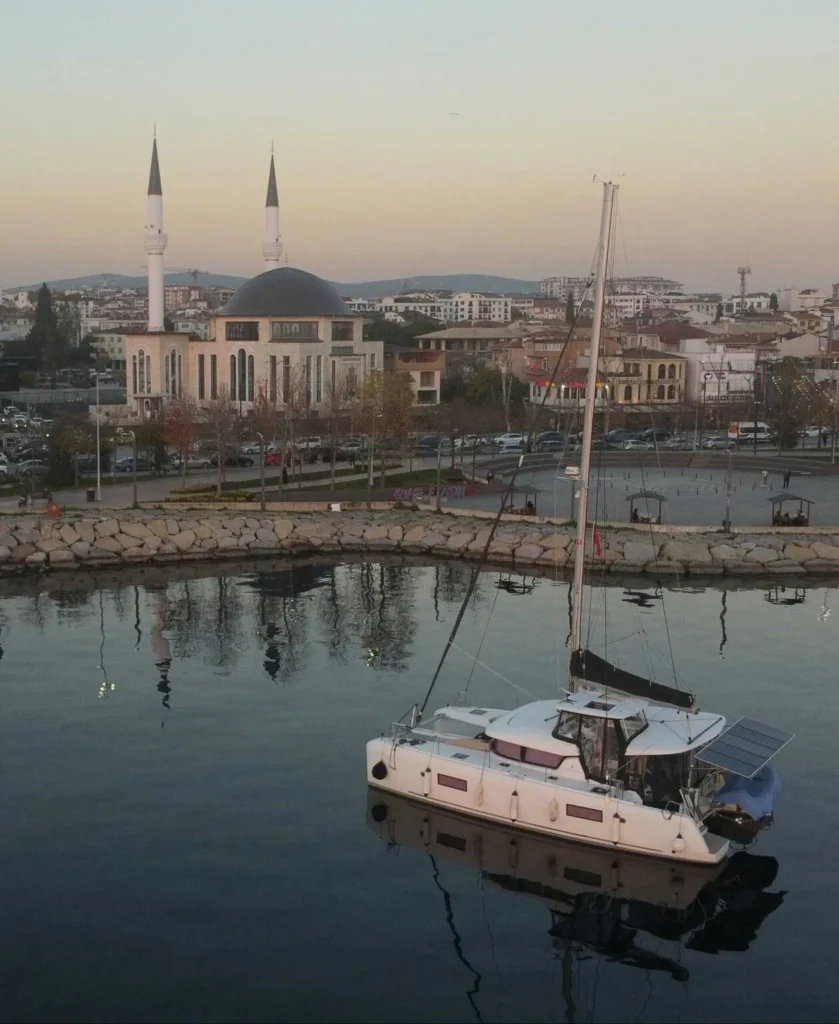
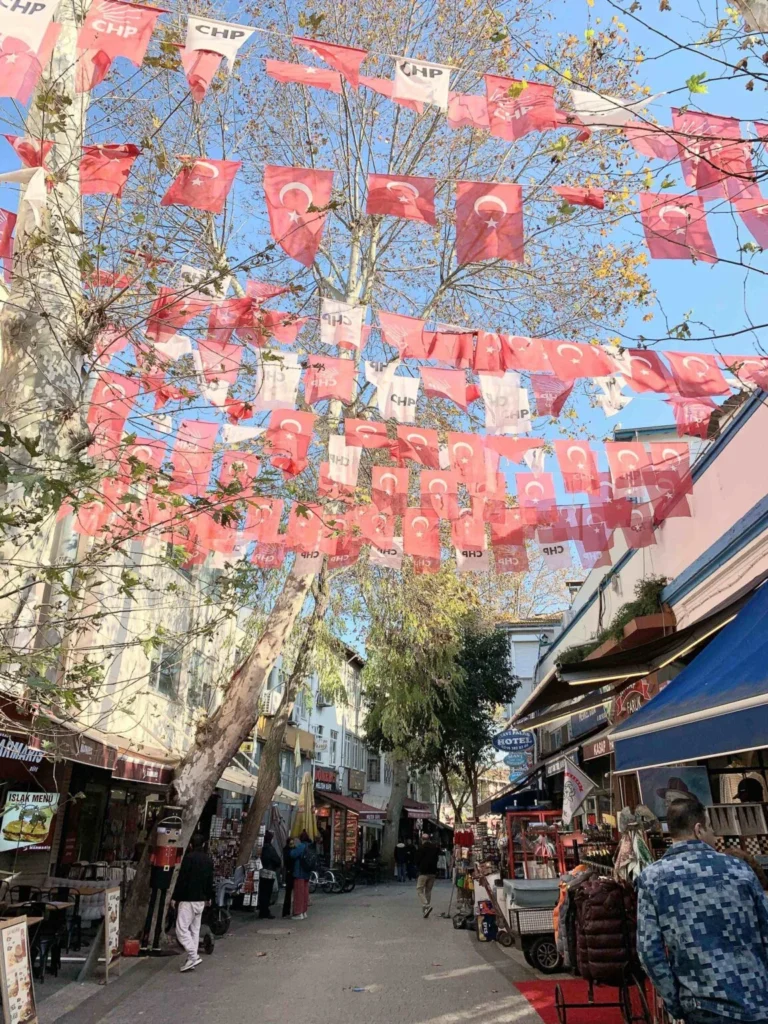
In the Netherlands, we don’t typically fly the national flag everywhere — not on government buildings, not on houses. In Turkey, as in countries like Italy, Croatia and Greece, it’s very different. The red-and-white Turkish flag is visible in almost every street.
This once led to a funny misunderstanding. We wanted to dock in an industrial harbour due to lack of space elsewhere. A man came over to help us. I wanted to show how quickly the wind was pushing our boat off the quay, so we needed to act fast. I pointed at the flag in our mast to show wind direction — and when I pointed at the Turkish flag, the man immediately placed his hand on his heart and nodded enthusiastically.
You also feel deep pride in history. Whether it’s Troy, the Dardanelles or Istanbul: history isn’t presented as a tourist attraction, but as identity. You feel this in conversations and explanations. People love telling stories about their country, their heroes and the significance of their region. This gives social interactions much more depth than in many other sailing destinations.
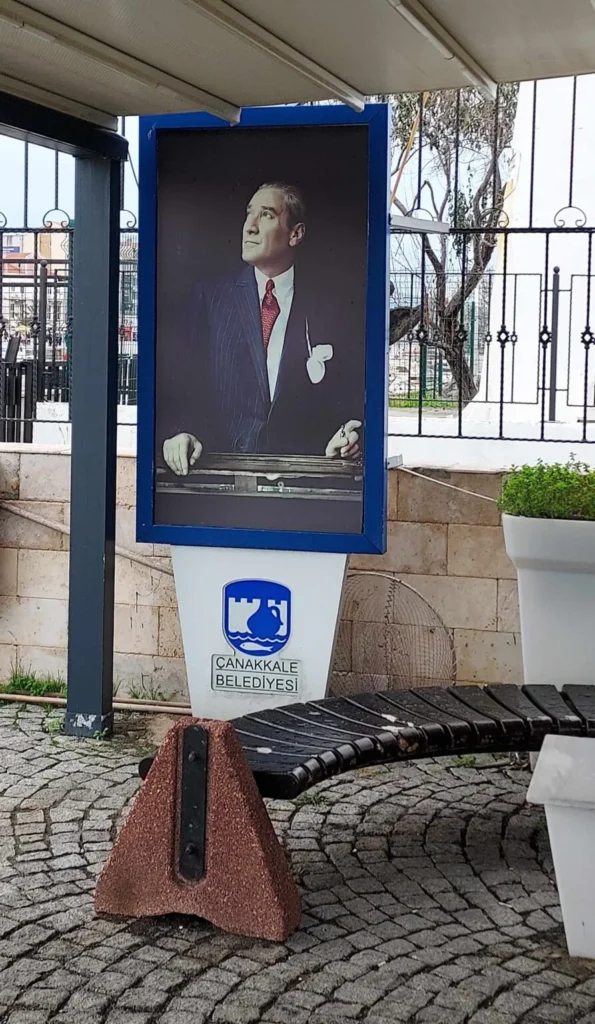
We had already heard about Atatürk, and during our first week his portrait was everywhere — in restaurants, offices, buildings. When I mentioned his name to fishermen, their expressions became serious, hands went to their hearts and they said: “Good man.” During our entire stay, pointing at a photo of Atatürk always resulted in the same reaction: immense respect and warmth for the Father of the Turks.
7. No English spoken
While tourist information in many countries is often available in English, we were surprised by how little English is spoken in Turkey. Fishermen would enthusiastically tell us long stories in Turkish — and somehow, with a few familiar words, gestures and pointing, you still manage to understand a lot.
In conversations with authorities, fishermen and locals, we often used Google Translate, which worked surprisingly well. The app became essential: translating both our questions and their answers back into Dutch.
When I called marinas to ask about prices (hoping they might finally be reasonable — usually in vain), staff often didn’t speak English either. I’d say: “Hello, this is Laura speaking,” and the response would simply be “No”, followed by the phone being hung up 😉. So we’d go there in person — only to walk away again after hearing prices like €400 per night.
Once, I asked a young man who spoke excellent English why even young people in Turkey often don’t speak English. He explained that he had consciously learned it because he wanted to work in marinas. Russian, he said, is more commonly spoken than English in ports, but he wanted English to have opportunities in Europe. Many young Turks, we noticed, share that ambition.
When a supermarket cashier spoke good English, I asked where he learned it. When I said I was from the Netherlands, he told me he’d love to visit one day. There had once been a chance during secondary school, but the trip didn’t go through. His teacher used to call the Netherlands “Mini-Turkey” because so many Turkish people live there 😉.
8. Modern
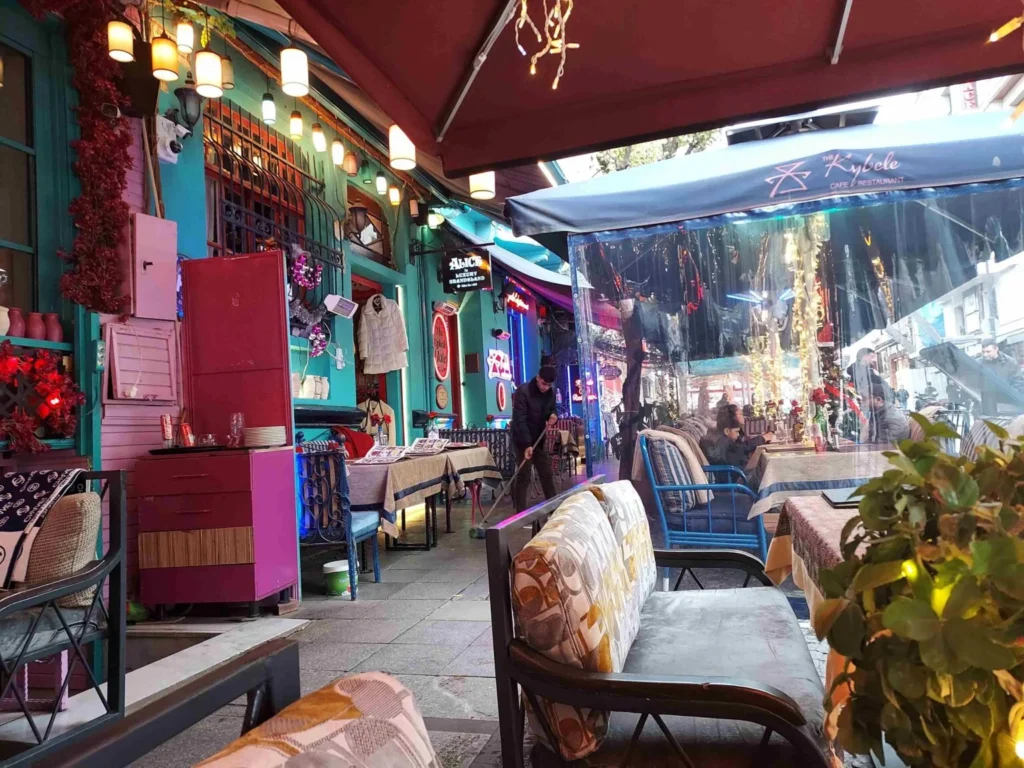
During our journey through Northern Turkey, we were struck by how modern and Western clothing styles are, especially in cities and coastal areas. You see jeans, T-shirts, dresses and fashionable outfits everywhere — with headscarves not being dominant.
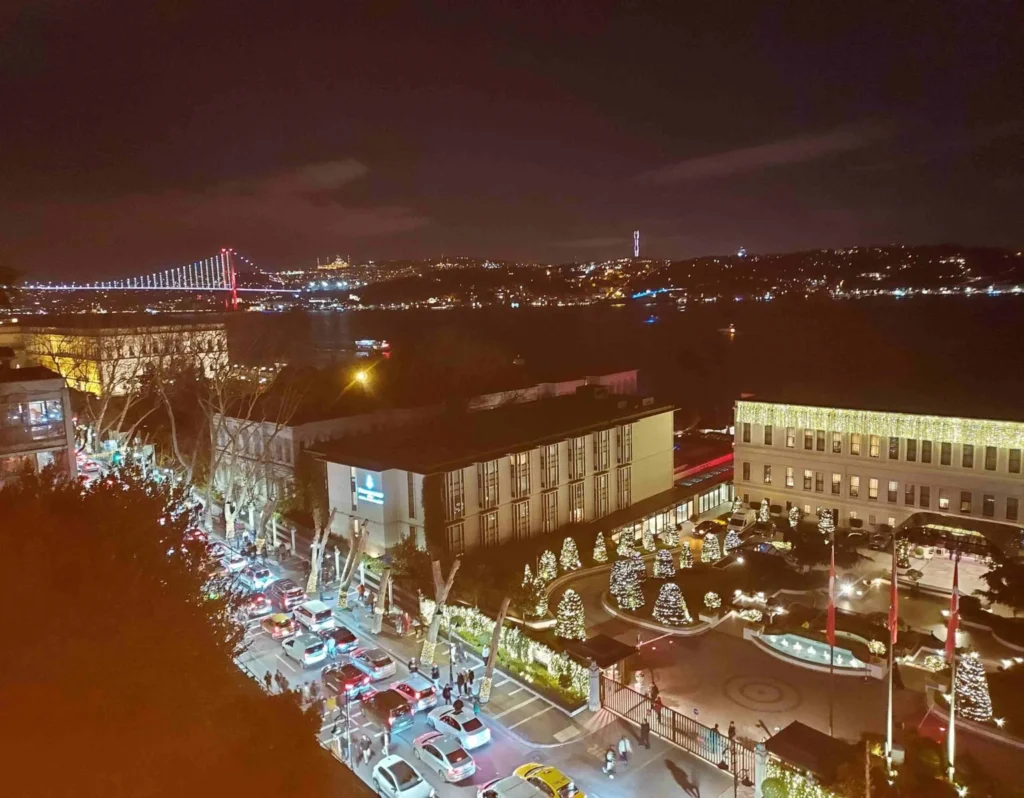
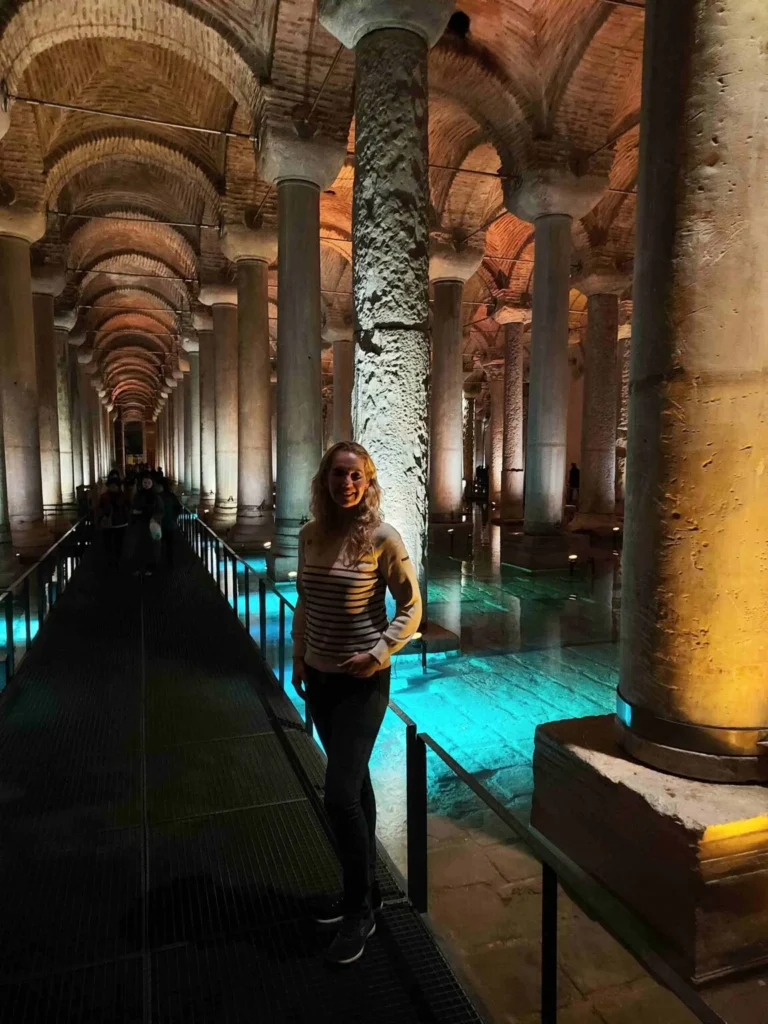
In Istanbul in particular, you find hip cafés, modern fashion stores, streets filled with international styles and young people dressed much like in European cities. This made an impression, as Turkey is often portrayed as conservative. What we experienced was a society that embraces diversity in style and self-expression.
9. Cheap
When we’re in the Netherlands, we notice how expensive everything is — eating out, groceries, daily life. From Spain and Italy onwards, prices dropped to about 75% of Dutch levels. Croatia was even cheaper, and Greece about half the price: hotels, car rentals, dining out (often €60 for two), groceries (a full bag for €50 instead of €100).
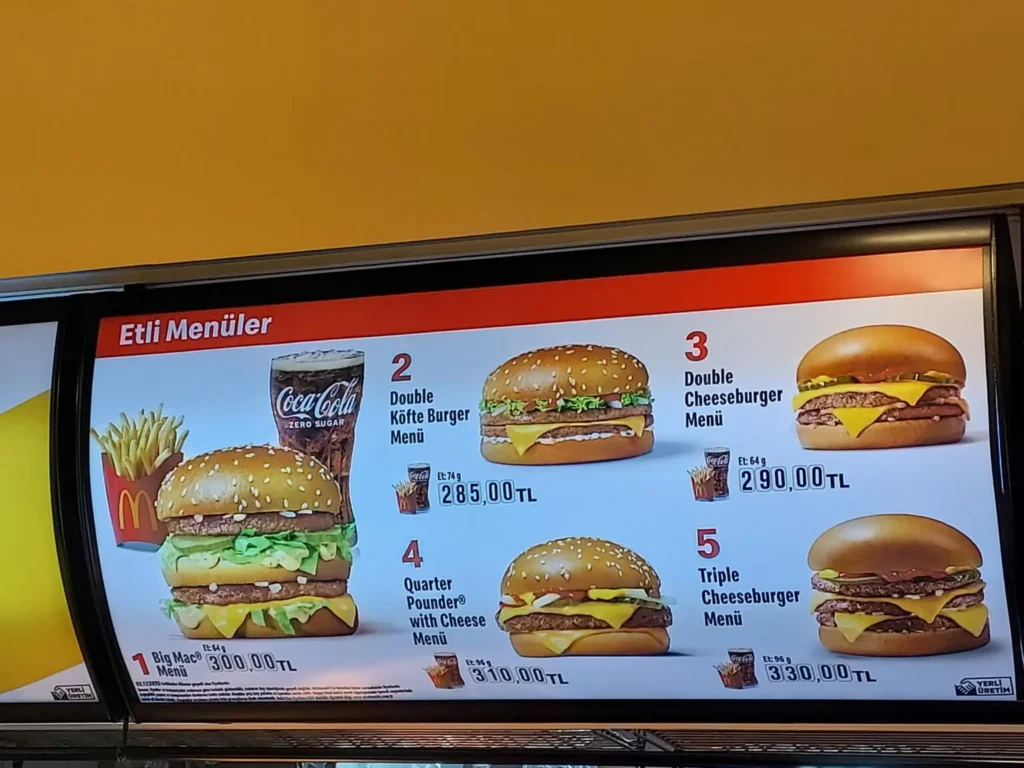
Turkey turned out to be even cheaper. Supermarkets were around €30 for a full bag, including coffee and detergent. A kebab sandwich cost €1.50, famous tea €0.20, public transport €2 for an hour, and McDonald’s (always a good benchmark): €6 for a menu.
Now that we’re back in Greece, it’s quite a shock that prices are no longer that low. That’s something we definitely miss about Turkey 😉.
10. Starlink versus SIM cards
As sailors, we had very mixed feelings. We met incredibly kind locals and fishermen, enjoyed cheap and delicious food, loved Istanbul and the history of Troy and the Princes’ Islands. But we were also frustrated daily by overcrowded marinas, commercial-minded authorities and a lack of spectacular landscapes.
The final straw for us was that Starlink does not work in Turkey.
For over 1.5 years, Starlink had given us perfect, constant, unlimited and ultra-fast internet — even far offshore — which is crucial for navigation, weather updates, staying in touch and my work as a digital nomad. We had become spoiled.
In Turkey, we had to switch back to SIM cards (Vodafone), which didn’t work smoothly. An eSIM from Holafly — bought on our last day in Greece as a Plan B — actually worked best. Still, internet often lagged, wasn’t unlimited, and as a digital nomad this is simply not acceptable.
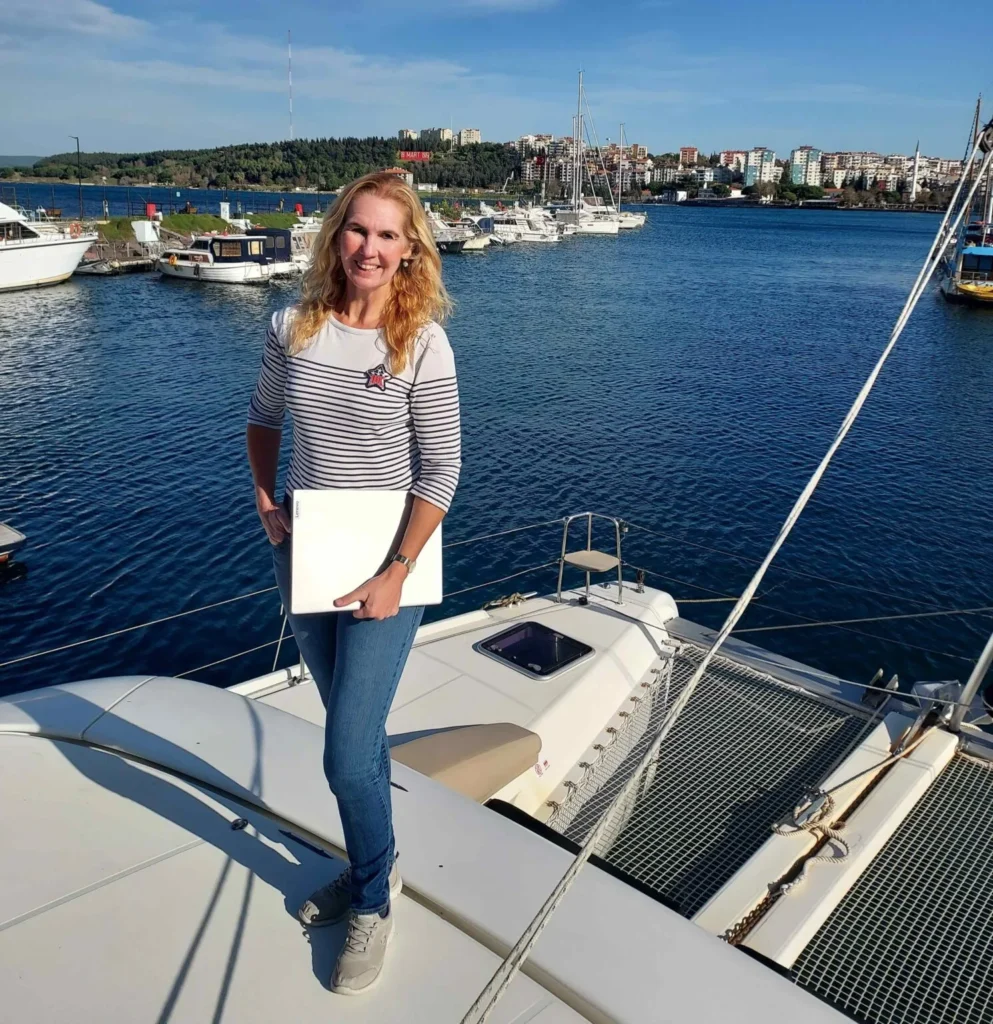
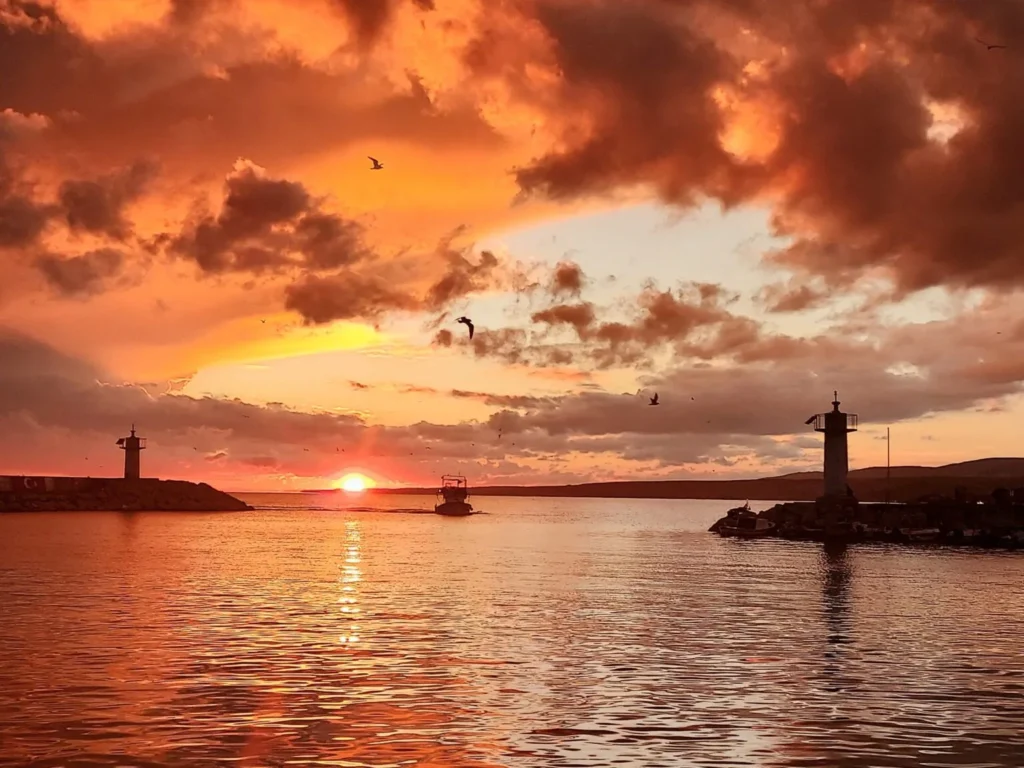
So when we finally sailed back towards the Greek coast, saw the colourful houses, beautiful bays with cypress trees and briefly regained Starlink reception, we looked at each other and said: back to sailors’ heaven — Greece.
Our next blog will be from the beautiful island of Limnos.