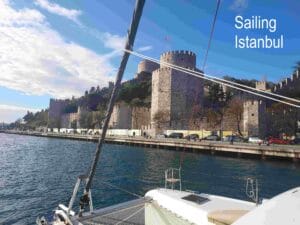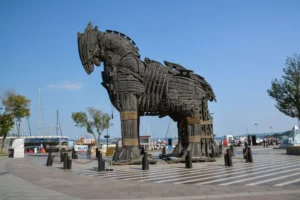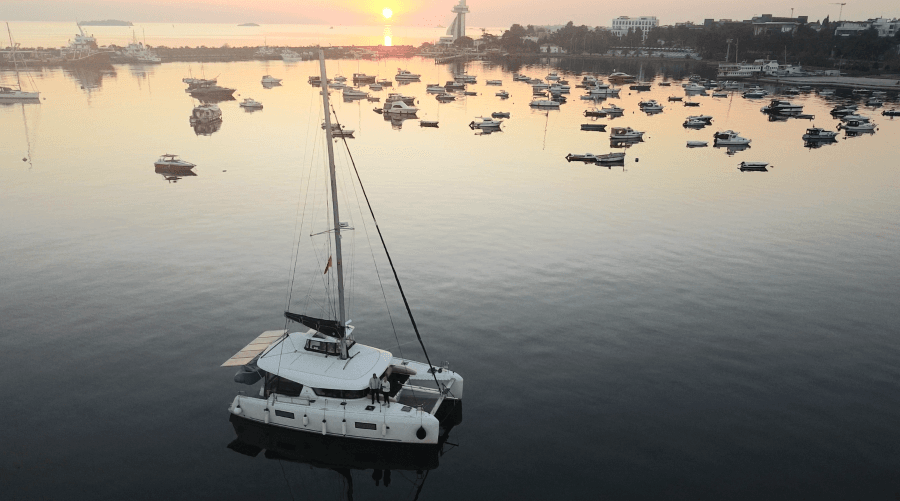
After sailing through the Dardanelles, we entered the Sea of Marmara. The Sea of Marmara is the inland sea between Europe and Asia.
This is exactly one of those places on Earth that I once saw as a little girl in the school atlas, probably giggled at the name, and now here we are — actually sailing on it in Turkey!
We passed 7 interesting places along the way, and I would love to tell you more about them: the special encounters we had, the sights we visited, and the insights we gained into some striking aspects of Turkish culture.
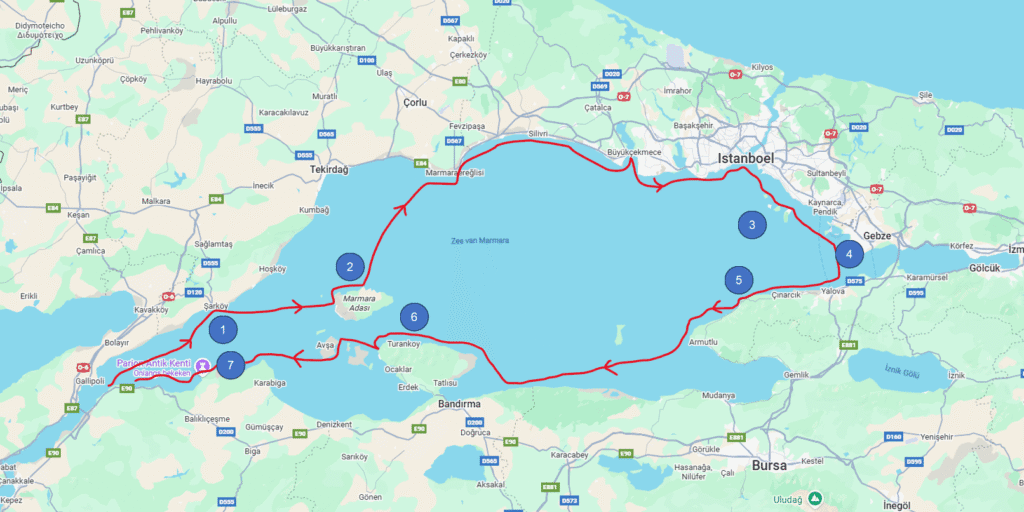
1. Şarköy
Şarköy was the first place we visited on the Sea of Marmara. Why? Because it was the first harbour we reached late in the afternoon and we were looking for water and electricity after several days of sailing.
As we entered the harbour, our hearts sank. This fishing port was packed with boats, some of them double-parked, and we could not see any power pedestals. We scanned the quays until we heard someone calling and waving at us. It was Mustafa, who offered us a place alongside their fishing boat. We were very grateful, because it meant we could lie safely and calmly. Mustafa explained that he was connected to the harbour cooperative of fishermen and that he usually helped the occasional visiting tourist boat find a place
And the good news: through the restaurant on the quay they also had electricity, so by running an extension cable from our boat to their boat, we had power as well — hooray!
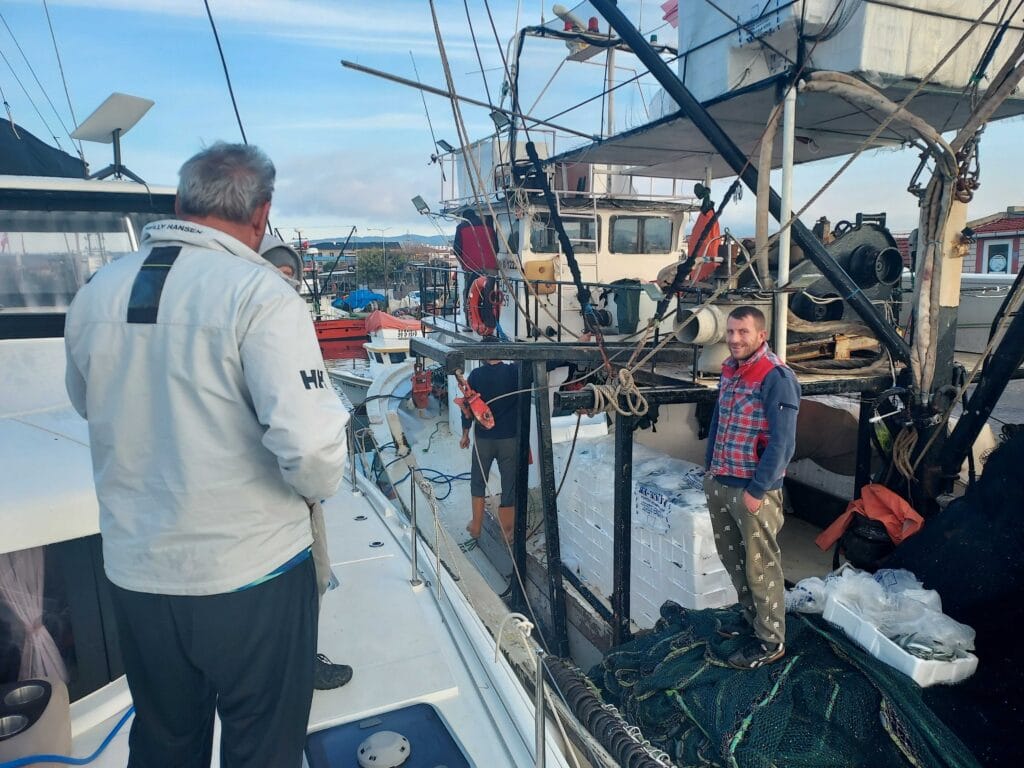
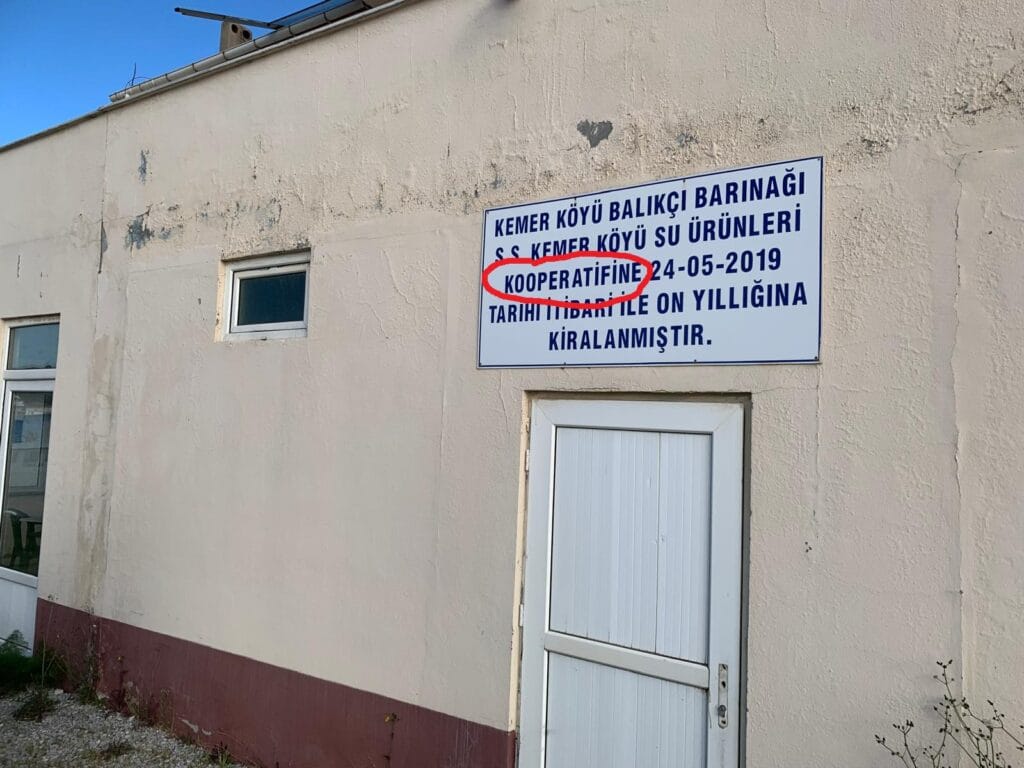
Mustafa spoke only a few words of English, but he made a gesture of drinking from a cup and said: “çay.” Ah — we recognised that word from other languages as tea. We stepped onto the fishing boat, assuming we would sit somewhere and get tea, but instead we walked up the quay and ended up in a “tea garden.” I did not know this whole phenomenon yet, but this is something important to know about Turkish culture.
The word çay originates from Persian (čāy) and in Turkey it is so deeply rooted that “çay” is almost synonymous with hospitality. Wherever you go — from a marina office to a small village café — you are almost always offered a glass of çay before any business is discussed (which turned out to be true, because afterwards we did have to pay for this “berth”). Drinking çay is therefore not just a habit but an important social ritual. It is traditionally served in small tulip-shaped glasses, usually without milk but with sugar cubes, because the tea is very strong. I even saw a price sign: çay 10 lira (about €0.20) per glass. All over Turkey you find çay bahçesi (tea gardens) and çay ocakları (small tea houses), cosy informal places where people meet to drink tea, chat and play board games such as backgammon and Rummikub.
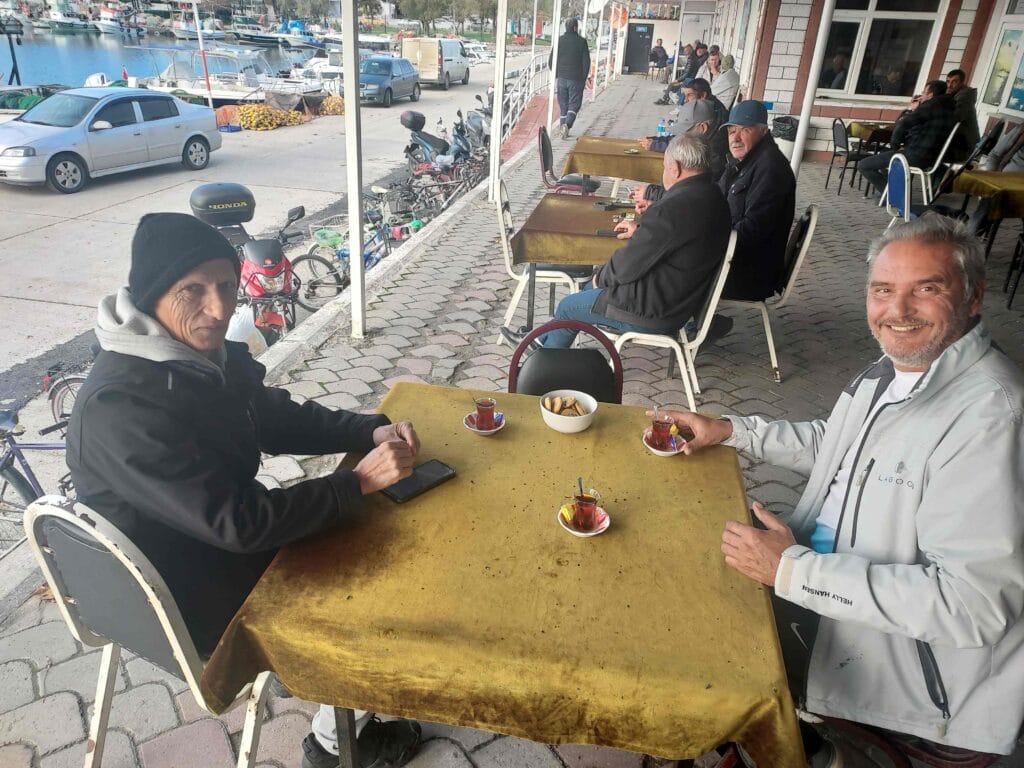
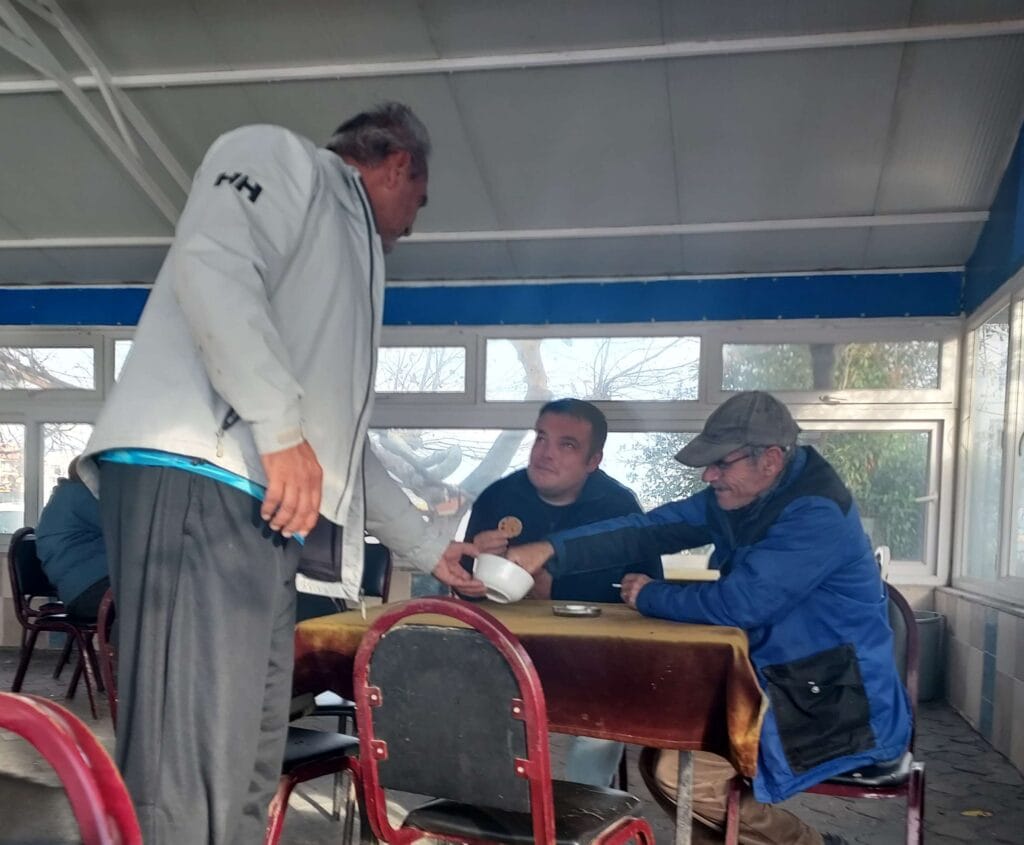
I had quickly put a packet of cookies in my bag to treat the small group of fishermen, but in the tea garden there were plenty of interested people, so Gilles walked around with a little plate of Greek chocolate chip cookies.
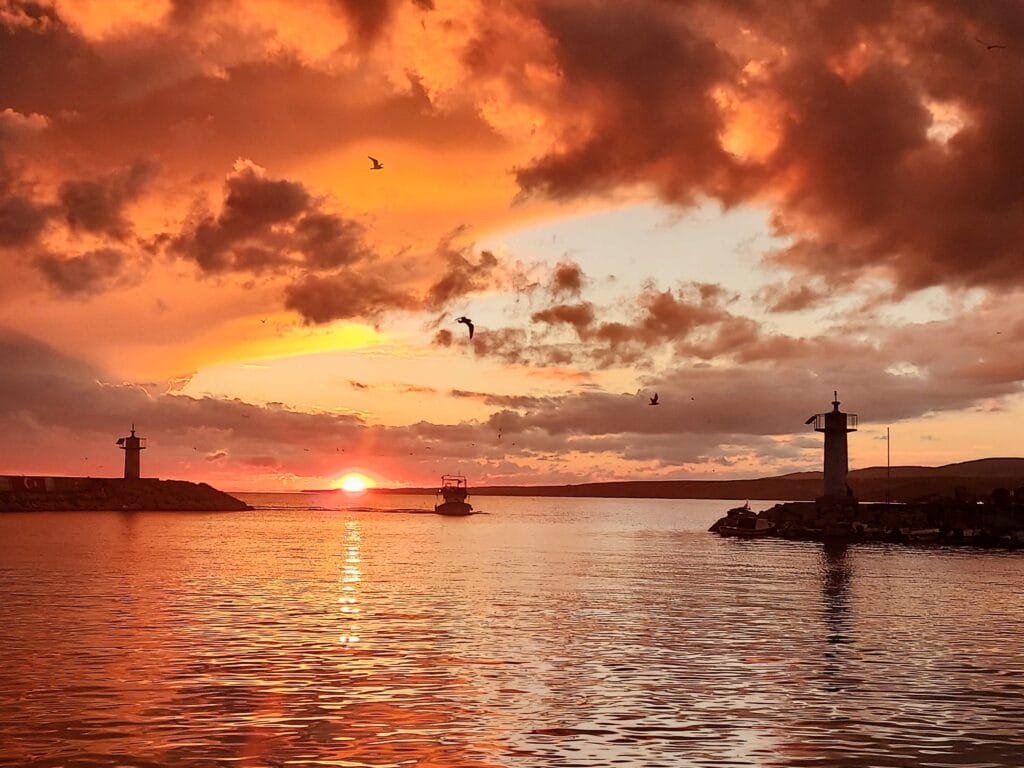
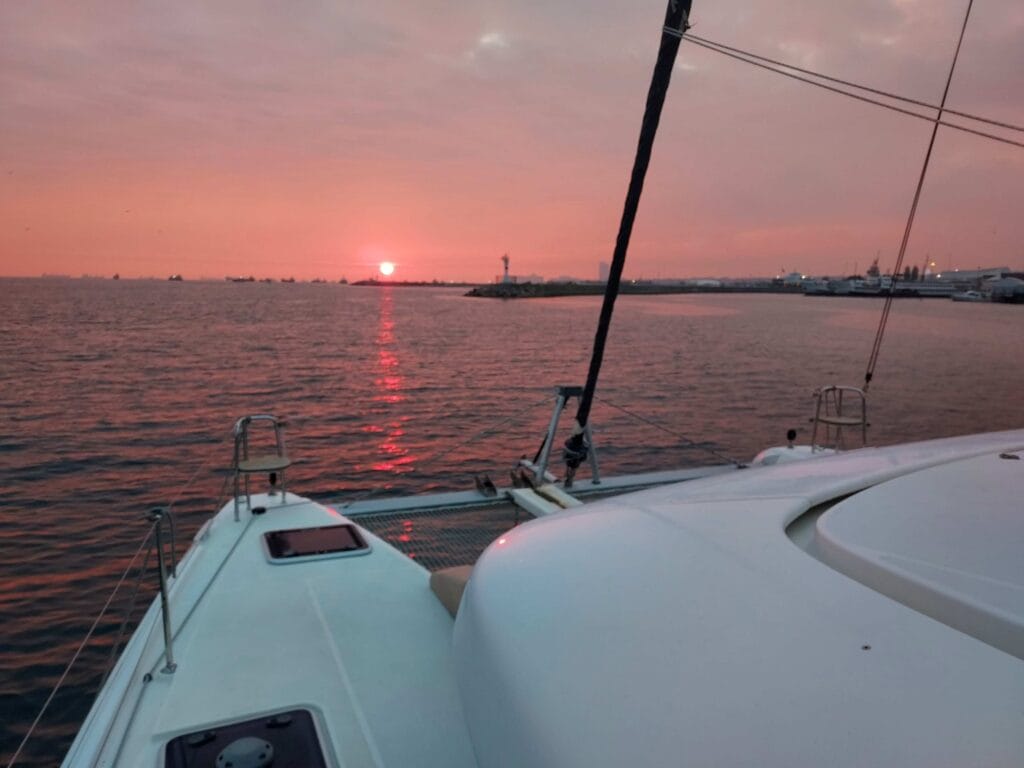
After three cups of tea and buzzing from the sugar, we walked back to our boat to end the day with a beautiful sunset.
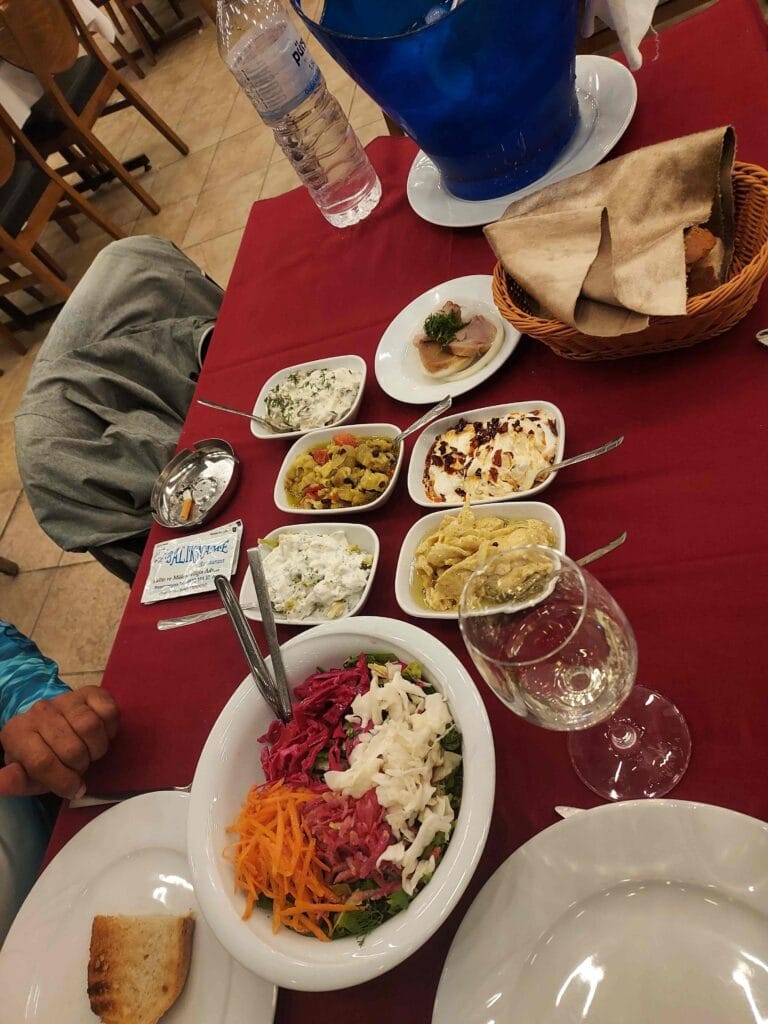
We went to the harbour restaurant — we were the only guests — but the owner was well prepared: fresh fish in the display, small mezze dishes, good wine. We had a wonderful meal.
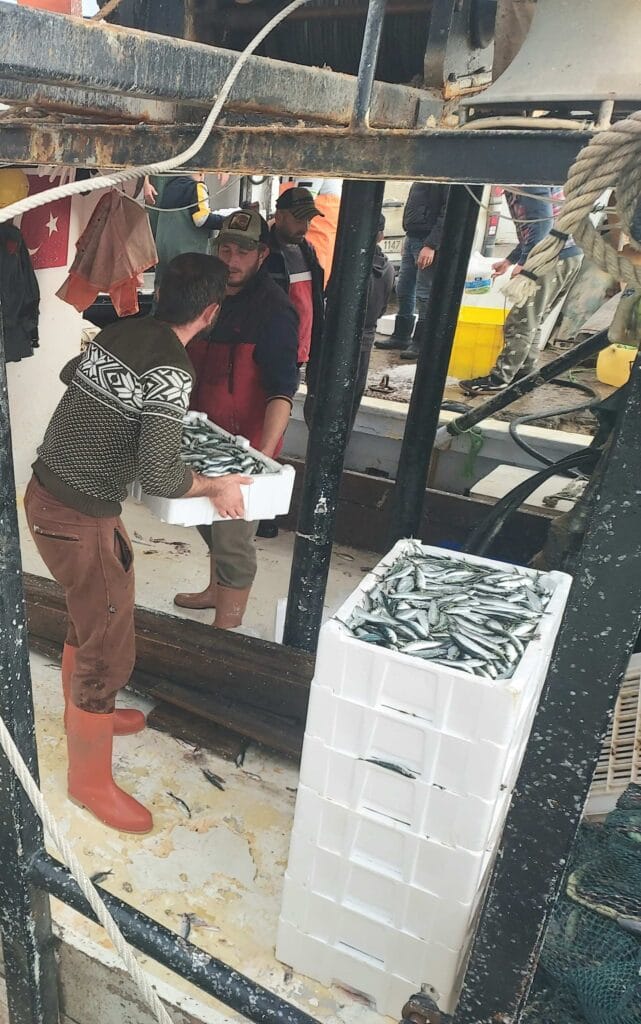
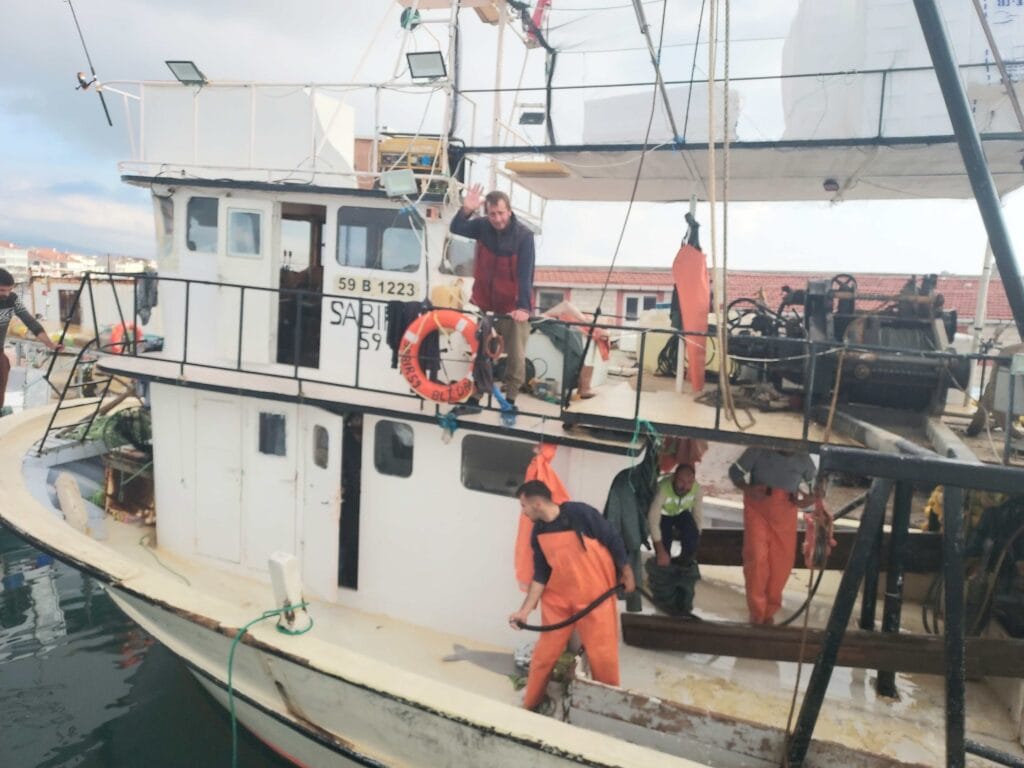
The next day we saw a fishing boat arriving. Before continuing our journey, we wanted to see their routine. Within no time a refrigerated truck arrived, the fish were packed into white foam boxes, covered with ice, and after 200 (!) boxes had been filled within an hour, the truck drove off — probably to markets or restaurants. The fishermen hosed down their boat, had some rest, and later in the day (or towards evening) went out fishing again.
2. Marmara Island
The island after which the Sea of Marmara is named became our next destination. It literally forms the centre of the sea, and it quickly became clear why: the island owes its name to the marble (“marmara”) that has been quarried here for centuries. Upon arrival we could already see the dust clouds of trucks driving in and out of the quarries on the mountainsides.
When entering the harbour we noticed that large marble blocks were used as breakwater stones — instead of ordinary rocks. Very luxurious, marble protection blocks!
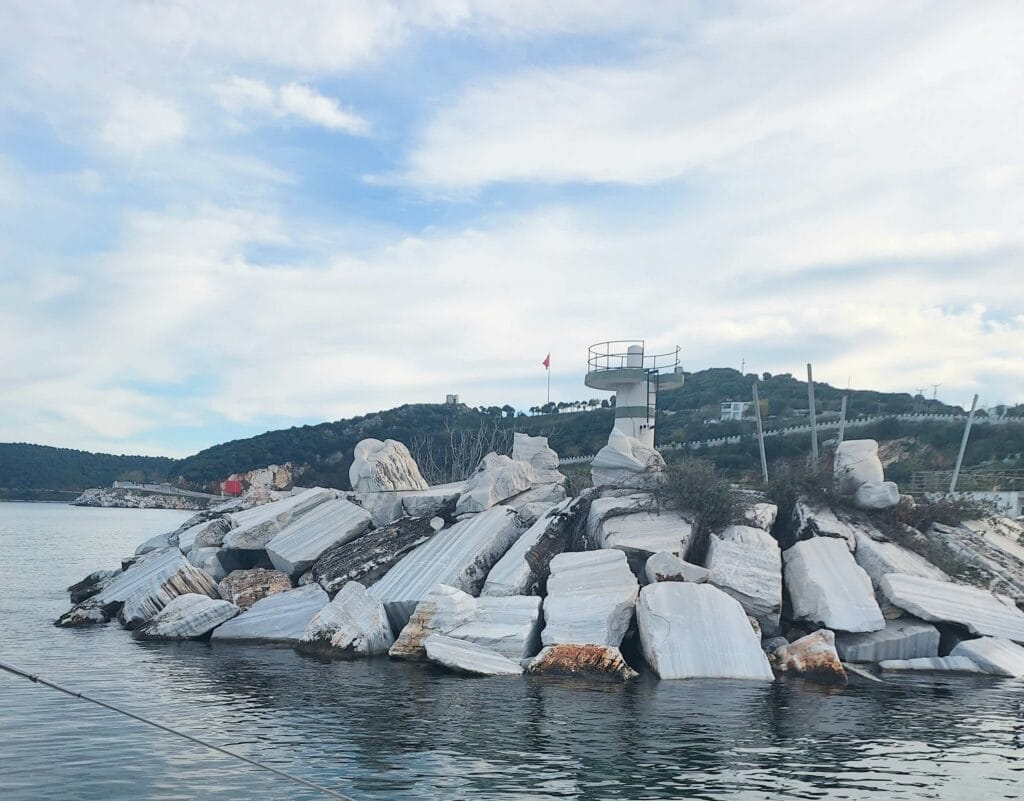
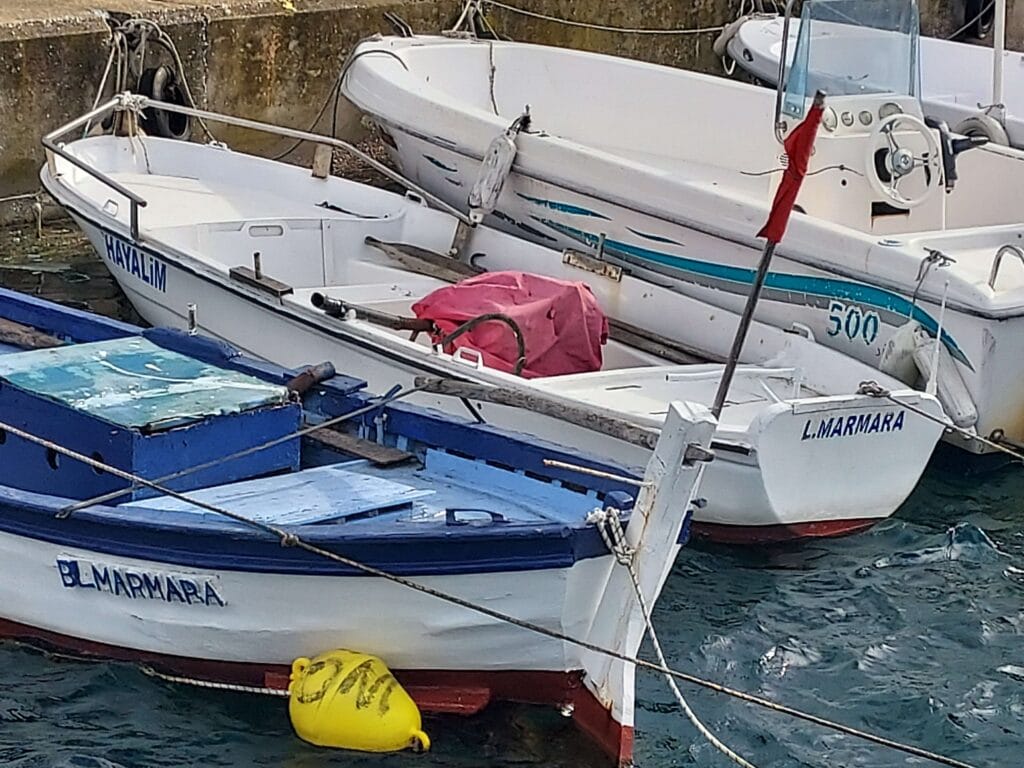
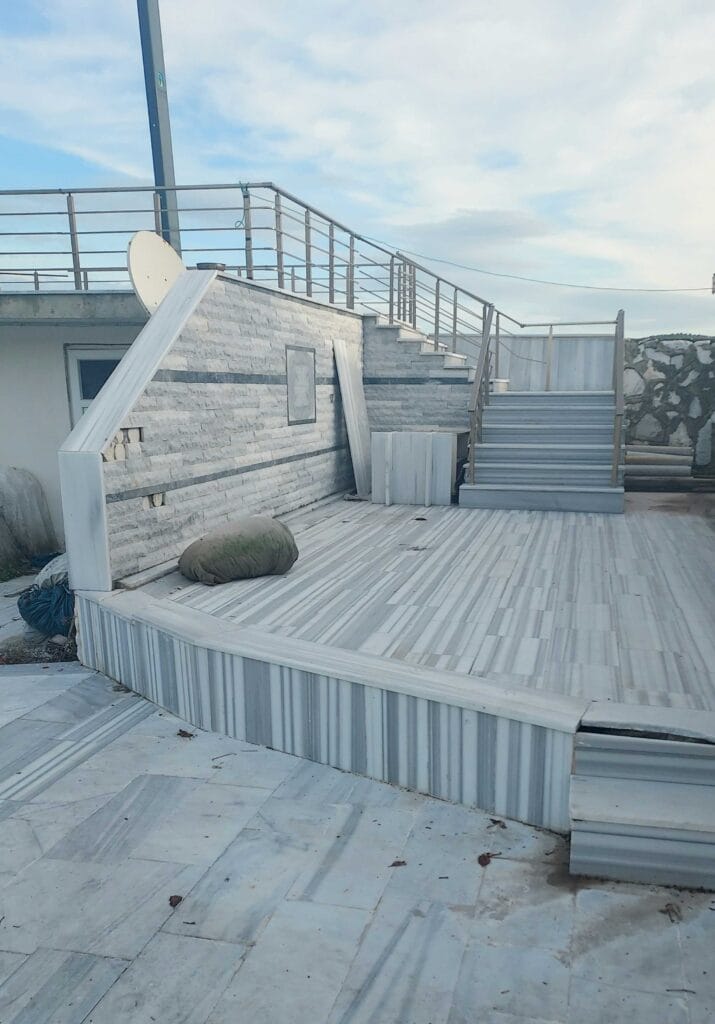
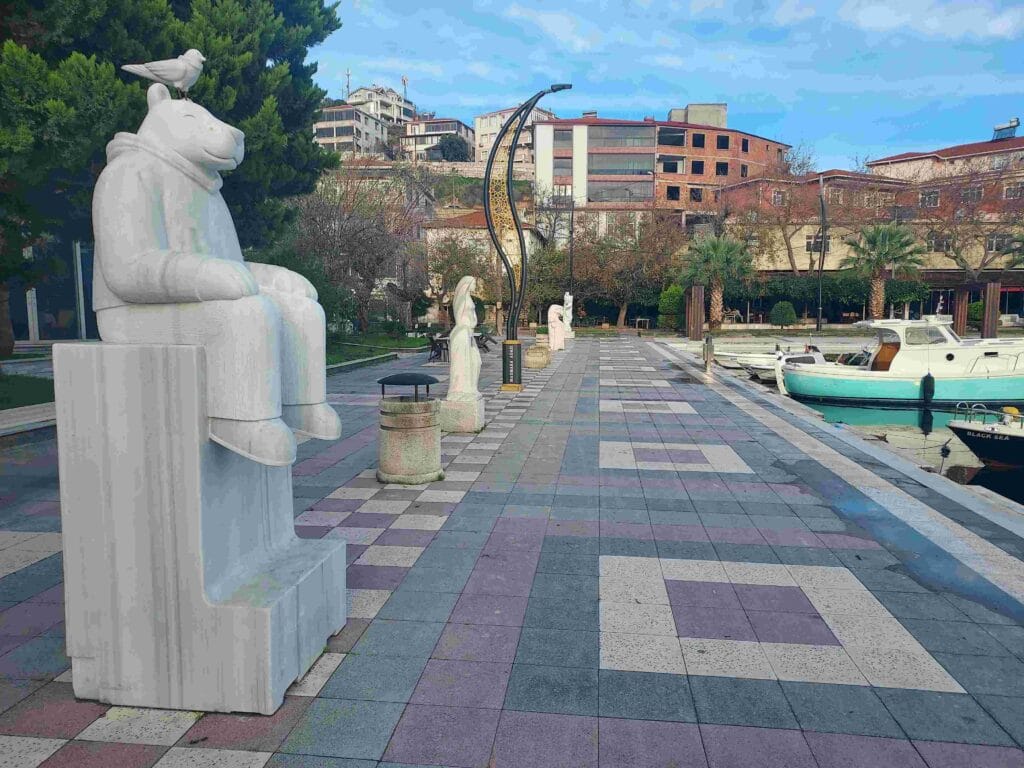
We soon realised that there is such an abundance of marble here that it is used everywhere: terraces, statues, tables, floors…
Once again the harbour was completely full, and once again — in winter — we really needed electricity. We searched the quays for a free spot, but there was none. We were about to turn around when three men who were painting a small boat on land waved us over and moved one boat aside so we could berth alongside the quay.
There was no power pedestal in sight. My Navily app mentioned that the restaurant offered electricity for a fee, but it was closed in winter. Gilles asked one of the men: “Elektrik?” He offered to run our extension cable to his little fishing hut on the quay, where he had power. We were so happy that we spontaneously gave him three beers (again from Greece — Mythos), which he accepted in surprise for himself and his two friends.
The next day we went cycling in the area. The weather was beautiful and we made a lovely tour past the quarries and saw ferries and cargo ships loading and transporting the marble. When we returned, we met our Turkish “electricity friend” again, who greeted us warmly and smiled broadly, saying: “Beer, very good.” So we gave him another three beers in exchange for one more day of electricity. Someone else even invited us into his home for food; when we shyly declined, he brought food to the boat instead. Another man from the village offered us tea.
Here you truly experience Turkish hospitality: people often approach you, even if they hardly speak English and do not have much themselves. With Google Translate you can still have lovely conversations. They offer help in the harbour and are eager to share food and drink. It feels very authentic.
3. Princes’ Islands
We continued eastward across the Sea of Marmara. We encountered quite expensive marinas — € 150 to € 300 at minimum — and we realised how lucky we had been with (free) fishing harbours and small island ports. Regular marinas charged exorbitant prices “because of inflation,” also due to many Russian customers. Apparently people pay, because the marinas were full. Not by us — we preferred to anchor.
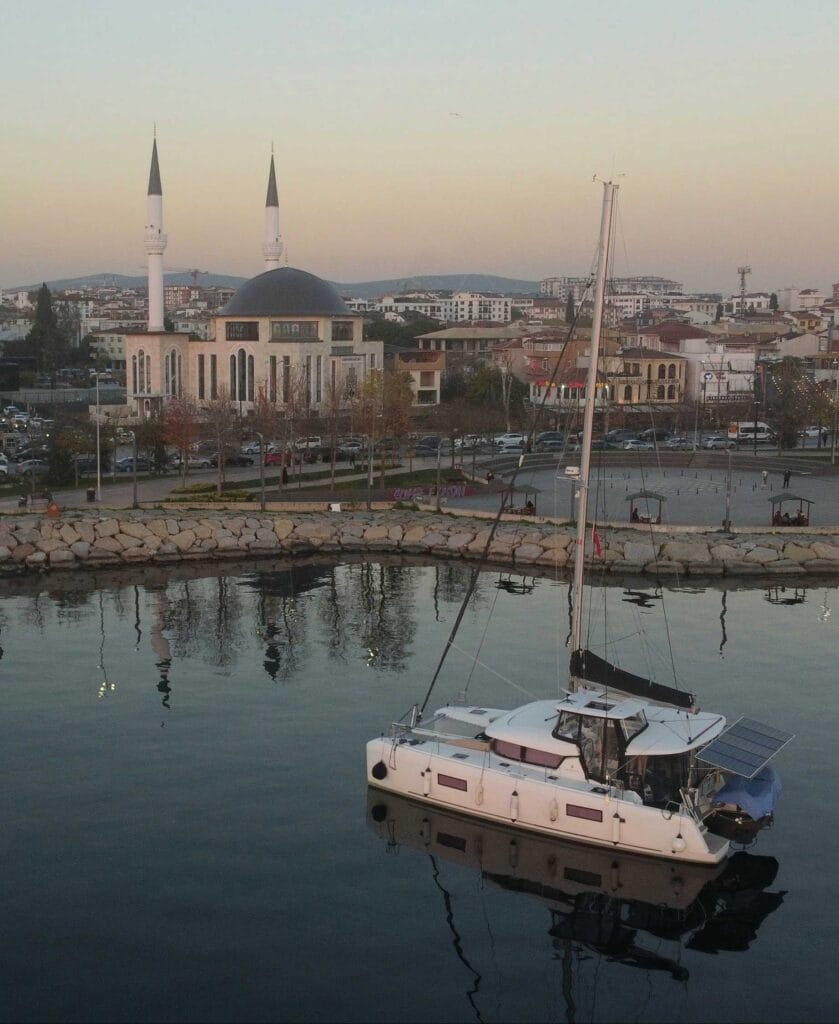
You get very typical Turkish scenes here: anchoring in a bay near a mosque — and there are many — and hearing the call to prayer five times a day over loudspeakers.
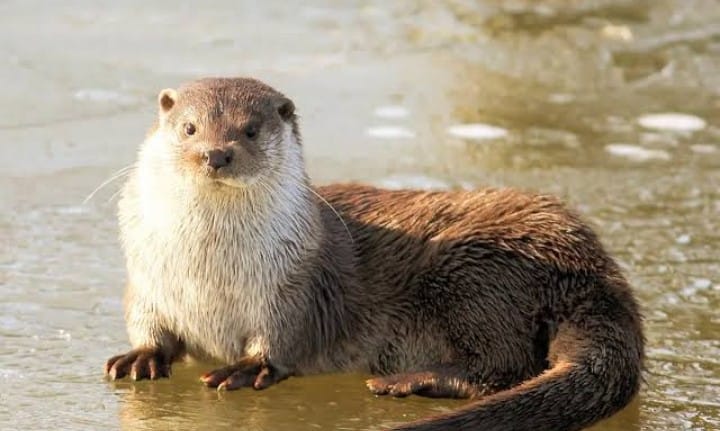
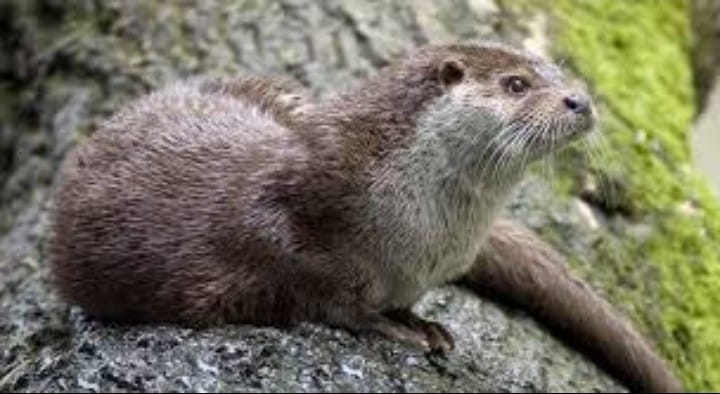
Three times on the north side of the Sea of Marmara we had a sea otter come aboard at night while anchored — the Eurasian otter. We heard a thump, footsteps and rustling. You panic, thinking someone is on board, but it turned out to be a sea otter (often about a metre long, thick tail, white and brown fur — big animals!) that literally launches itself from the water onto the swim platform, climbs up and searches for food or simply enjoys scratching its back.
We gradually approached the famous Princes’ Islands — a lively, colourful archipelago under Istanbul, with charming villages along the coast. Often there are no cars: on many islands motor vehicles are limited or banned. There are many old wooden houses in Ottoman style.
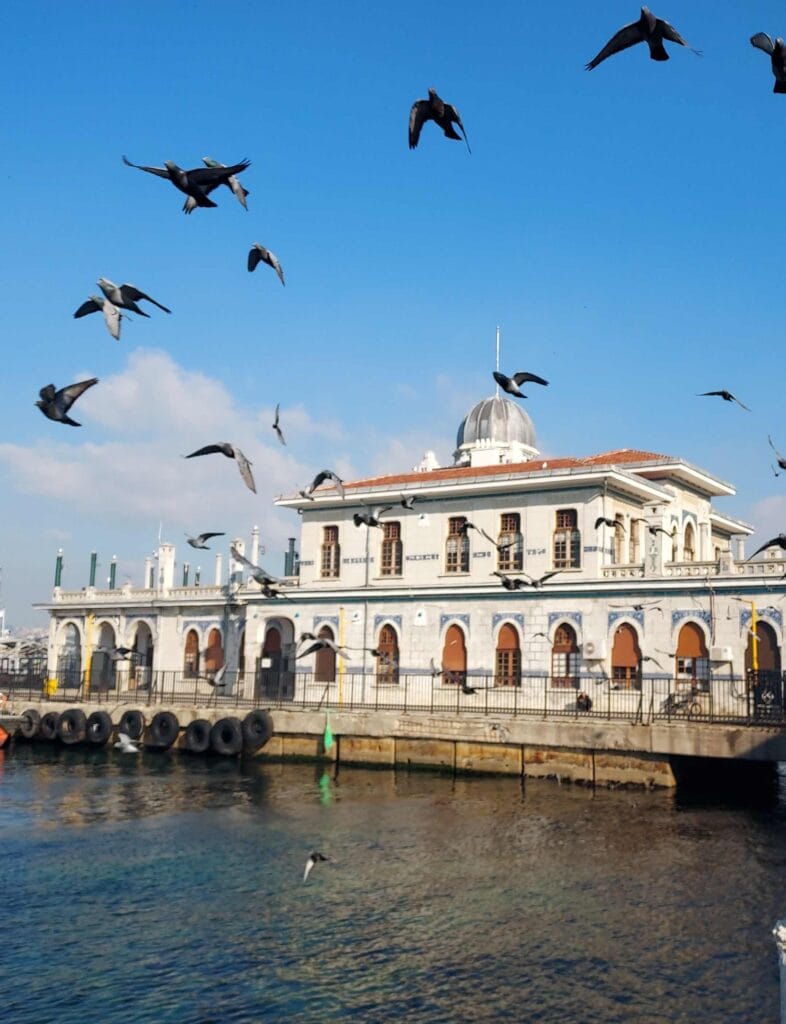
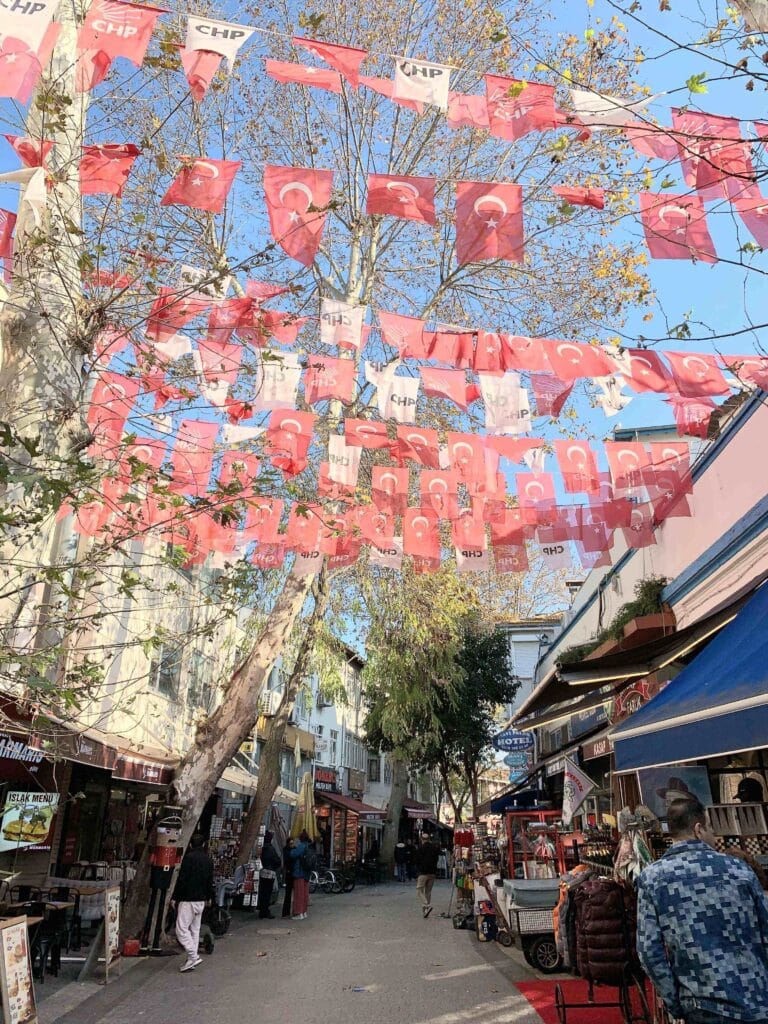
The Princes’ Islands (Turkish: Prens Adaları, literally “Islands of the Princes”) are named because they once served as places of exile for princes, members of royal families and other high-ranking figures who had fallen out of favour. During the Byzantine era, unwanted heirs and deposed princes were sent here, far from Constantinople (now Istanbul). Later, under the Ottomans, disgraced relatives of the sultan or other notables were also exiled here — hence the name.
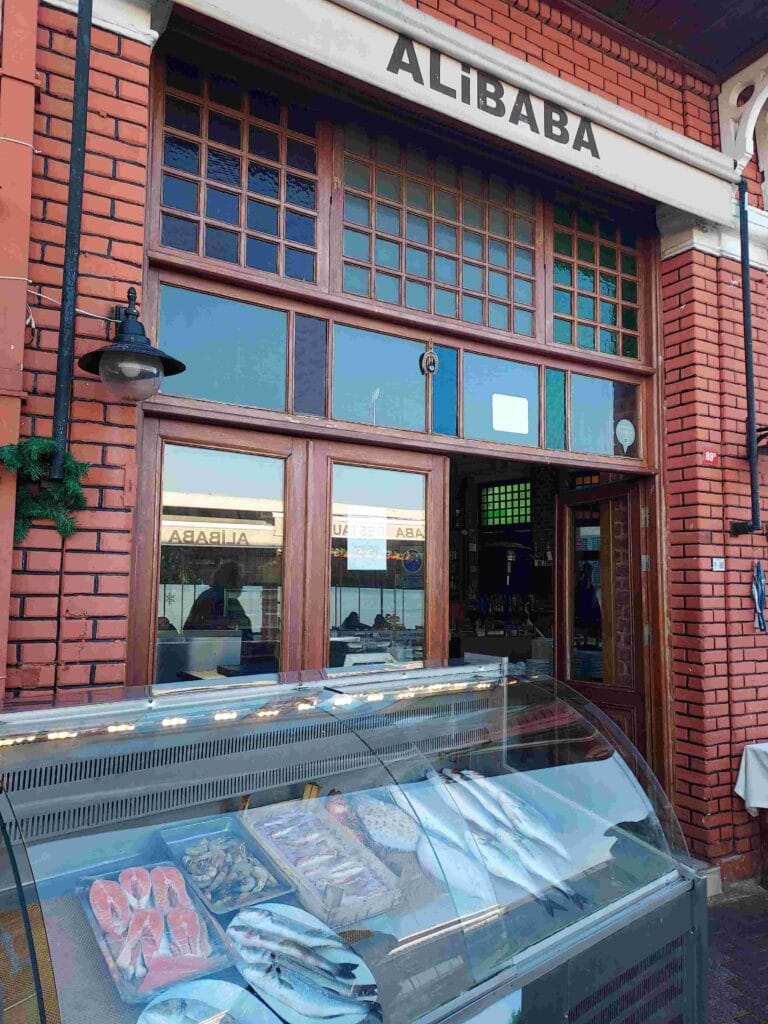
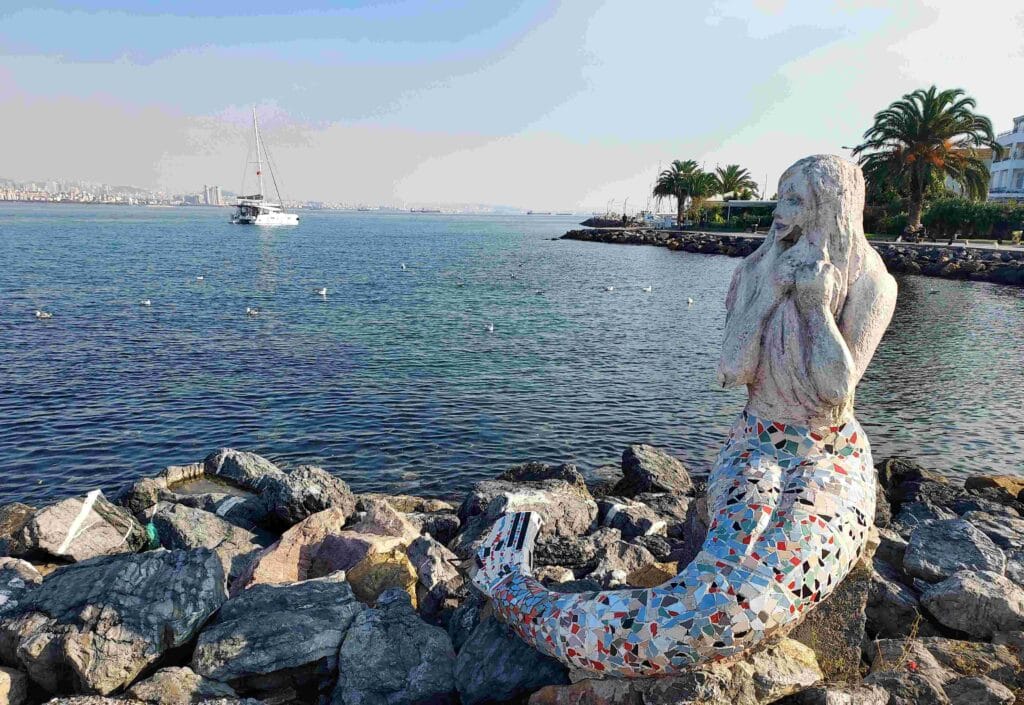
Besides the busy islands, there are also small natural islands. We visited one and found a lovely small harbour to stay in. Four other boats with Turkish locals arrived that day, probably from Istanbul, for a day of fishing or barbecuing — the grills appeared in the late afternoon. Very cosy!
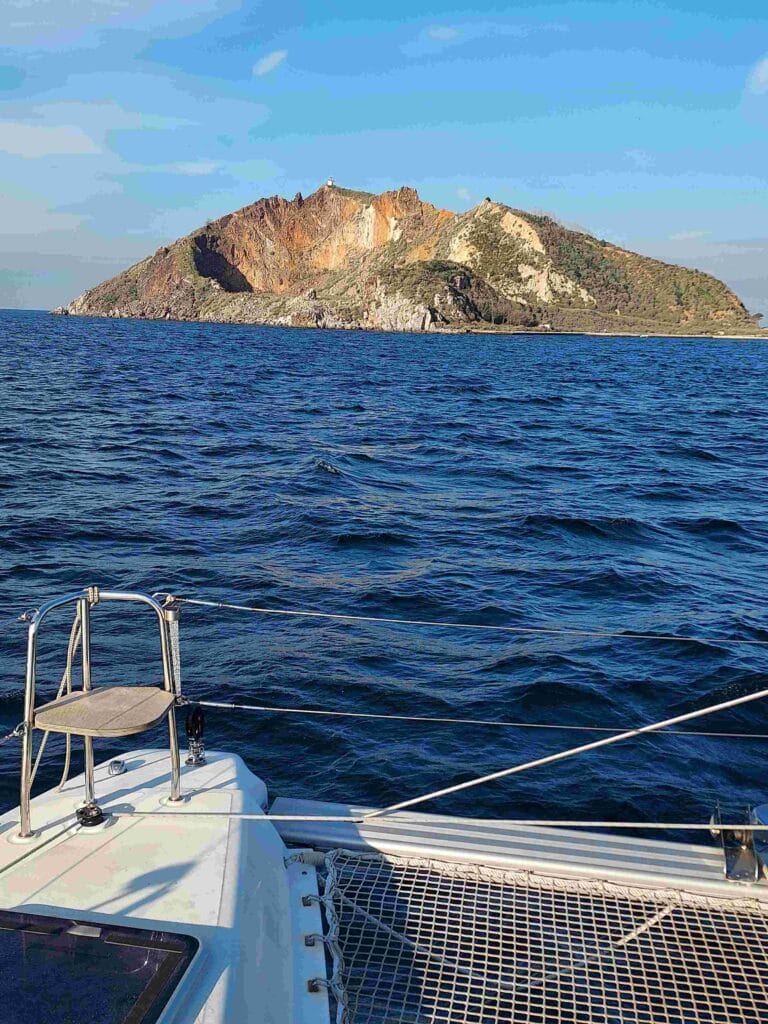
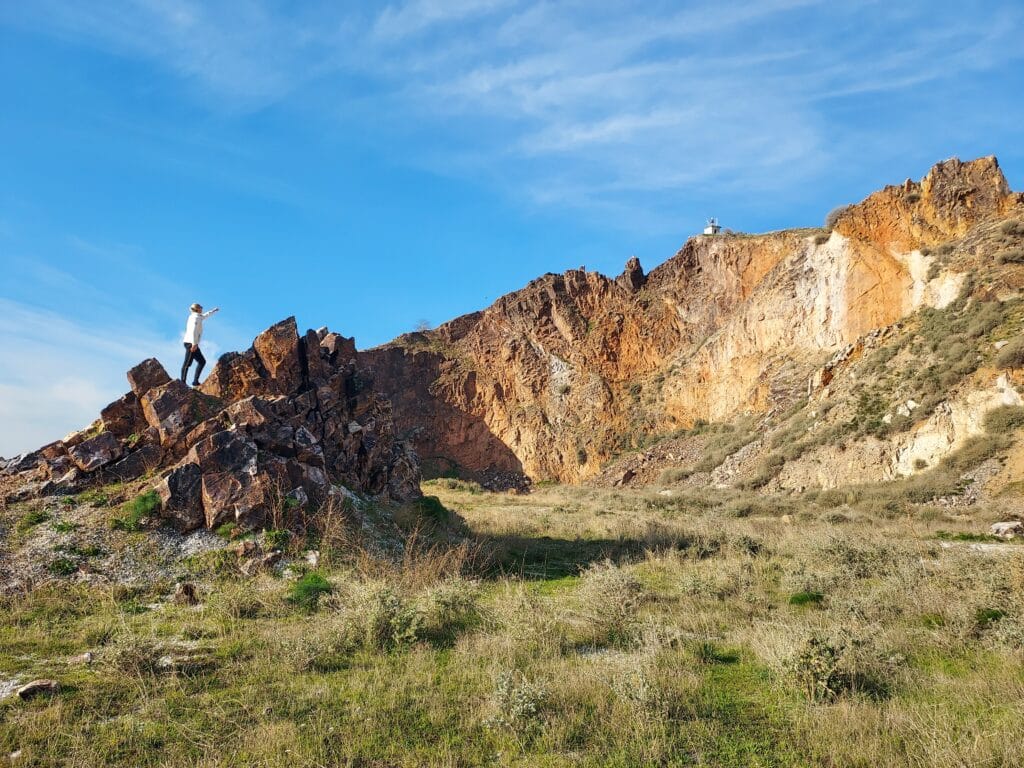
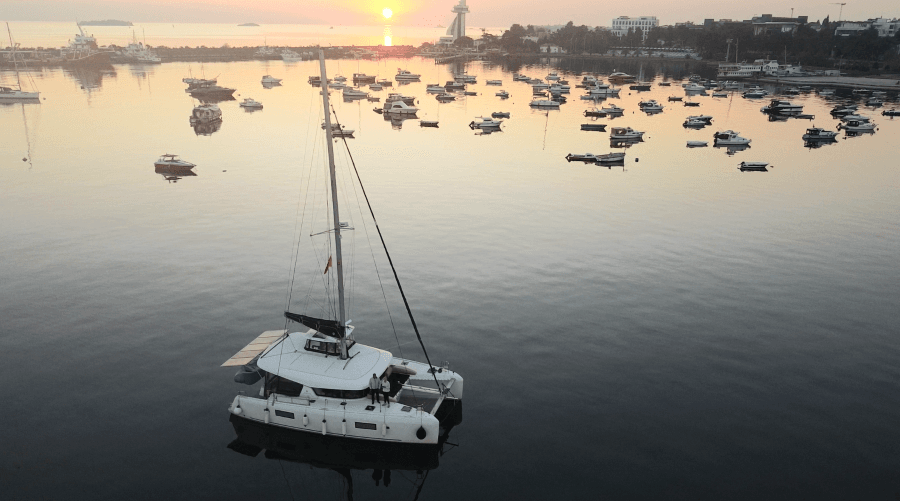
Look at the amazing colors of the high mountain, which looks like a collapsed vulcano. We flew from the litte harbor with our drone to the mountain and took a look over the sea towards the other Prince’s islands.
4. ViaPort
We were again in need of electricity, but marina prices became crazier the closer we got to Istanbul: € 400 to € 500 per night, with a low point of € 700 per night — and even then without water and electricity, which you had to pay extra for. You really feel unwelcome; the arrogance with which these amounts are quoted makes you feel like a floating wallet.
So I expected nothing from ViaPort Marina — the last marina in the Sea of Marmara, about 40 km from Istanbul and the easternmost one.
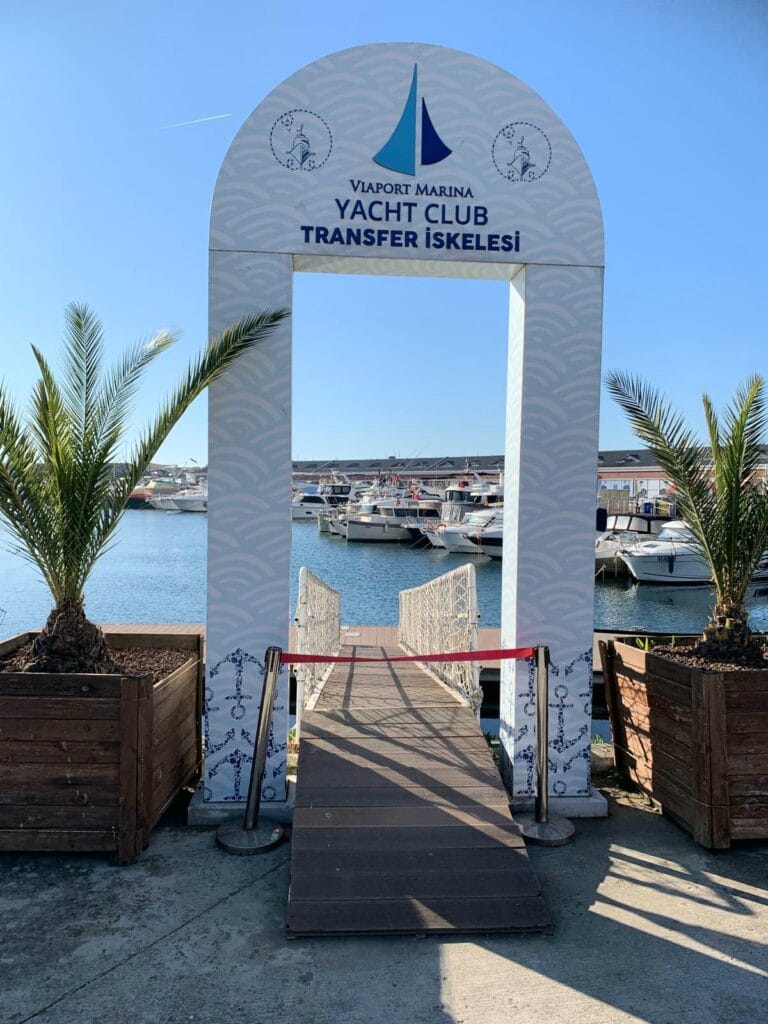
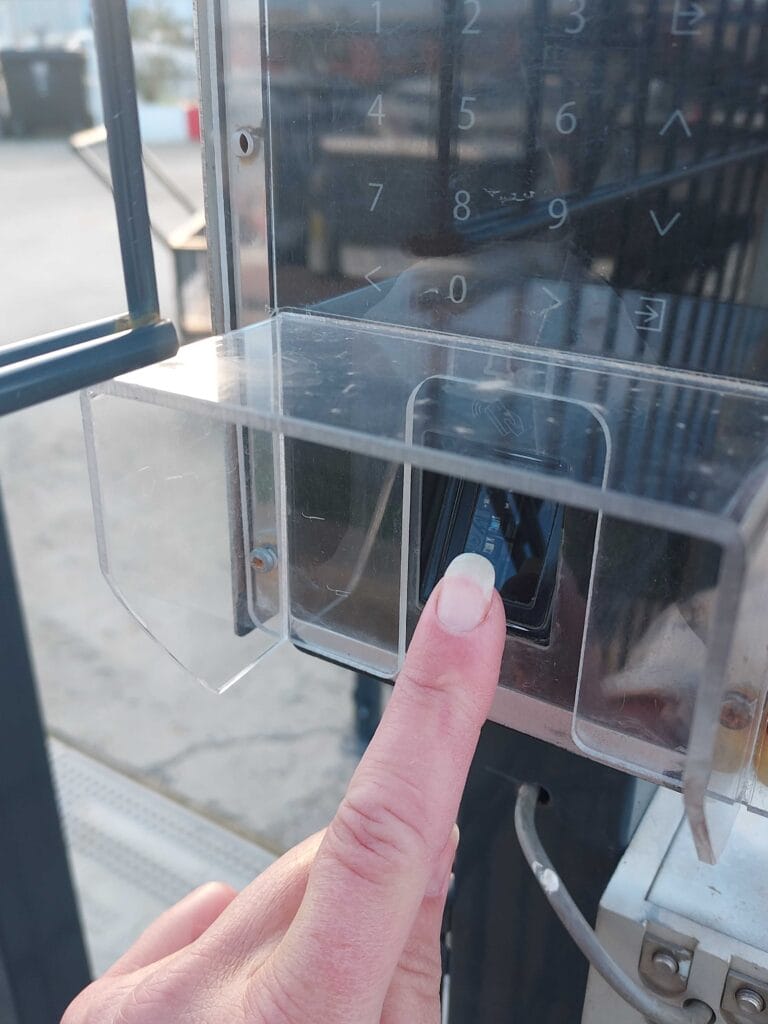
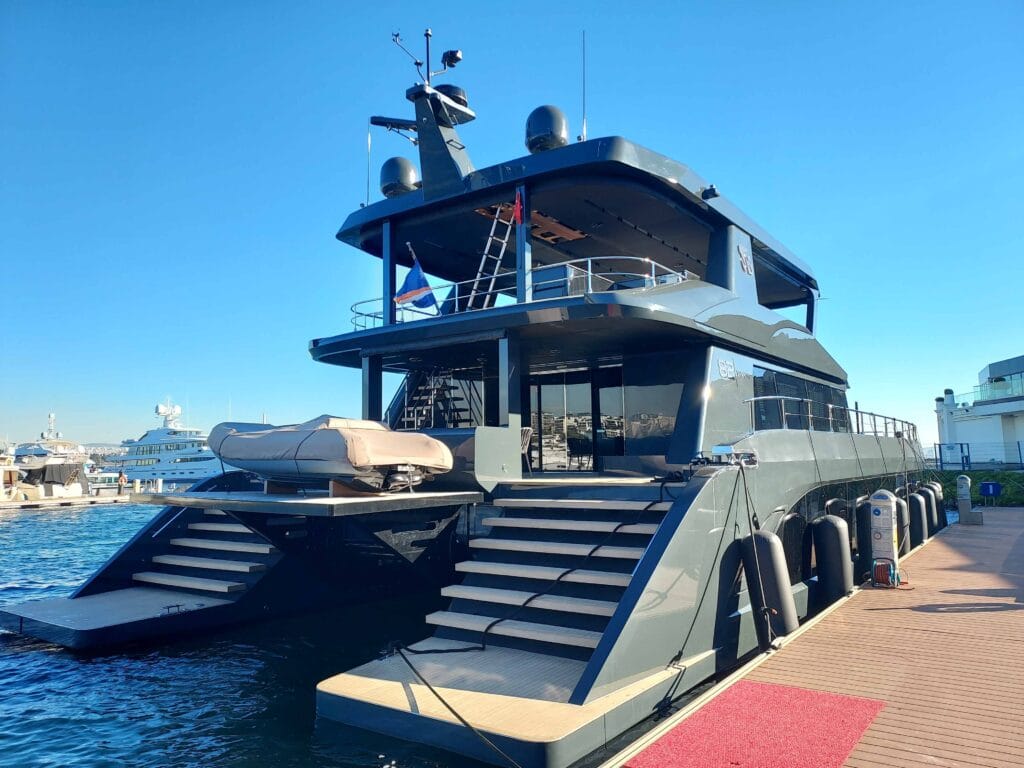
We entered and immediately saw: a very chic marina with a huge shopping centre, a tropical water park with slides, a zoo, bowling lanes and a cinema. We were literally welcomed on a red carpet. The marina staff proudly told us they even had biometric access at the piers. I thought: this must be over €700 per night. But the harbour fee was €140 per day — still high compared to Greece (especially in winter), but much better than expected. We even got two days for the price of one.
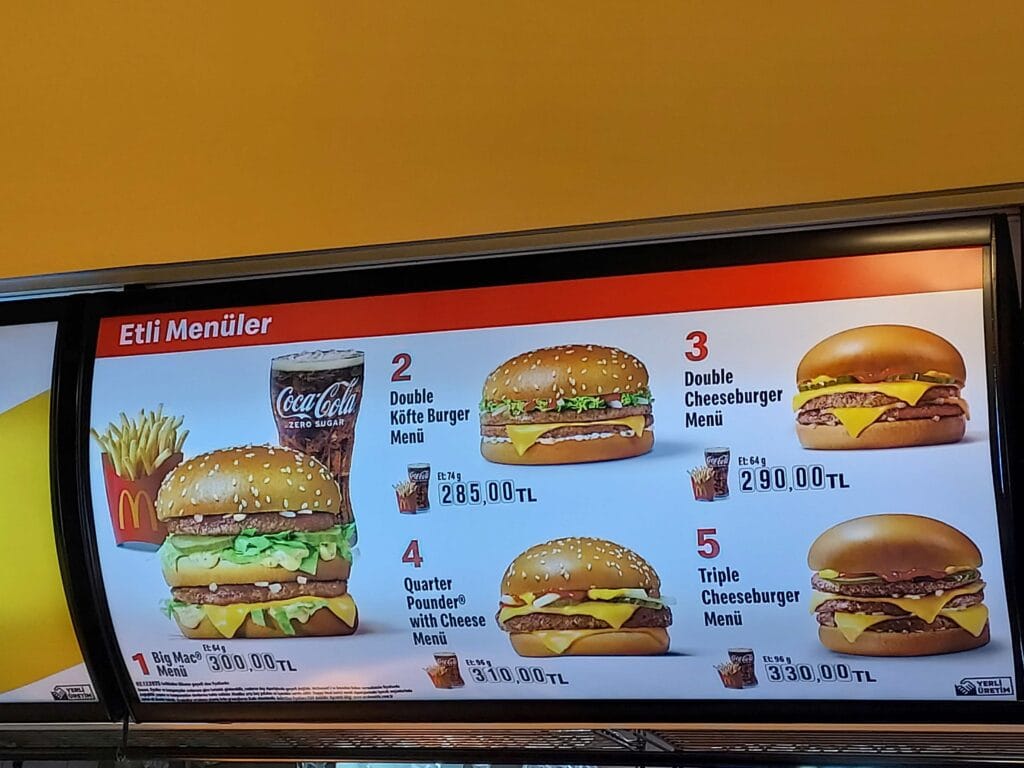
We walked through the open-air shopping centre with a little river running through it, trendy shops — and yes, McDonald’s. Of course we tried it: the Köfte Burger Menu.
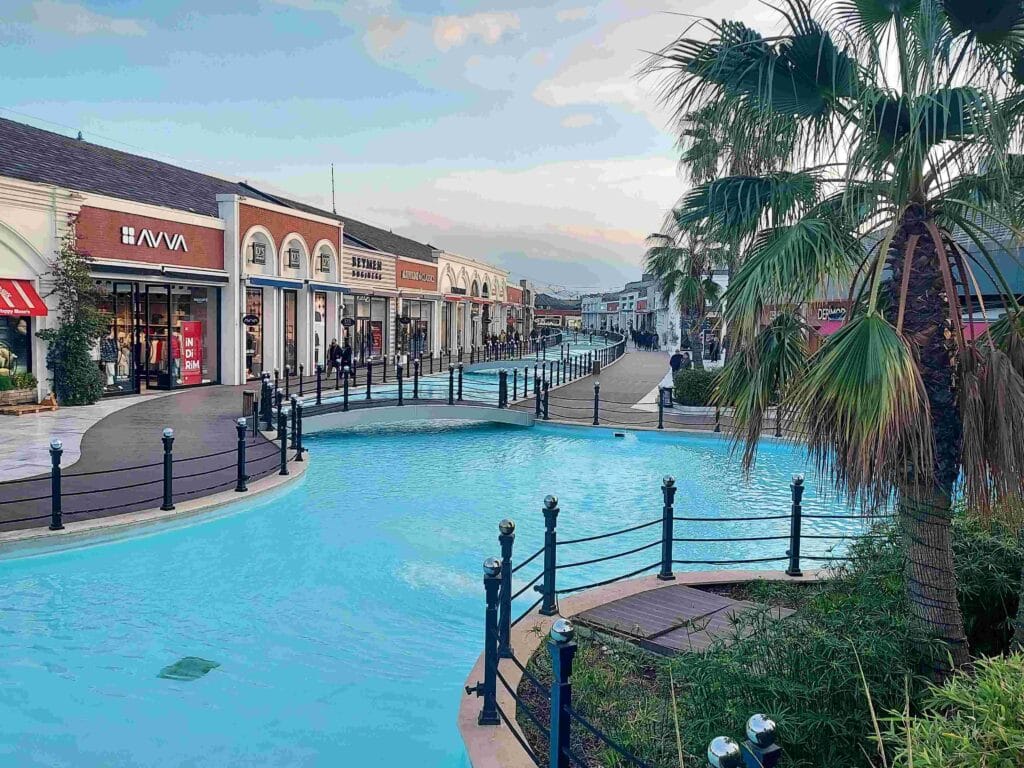
The marina was full of international boats and we bought some useful sailing gear in one of the many shops.
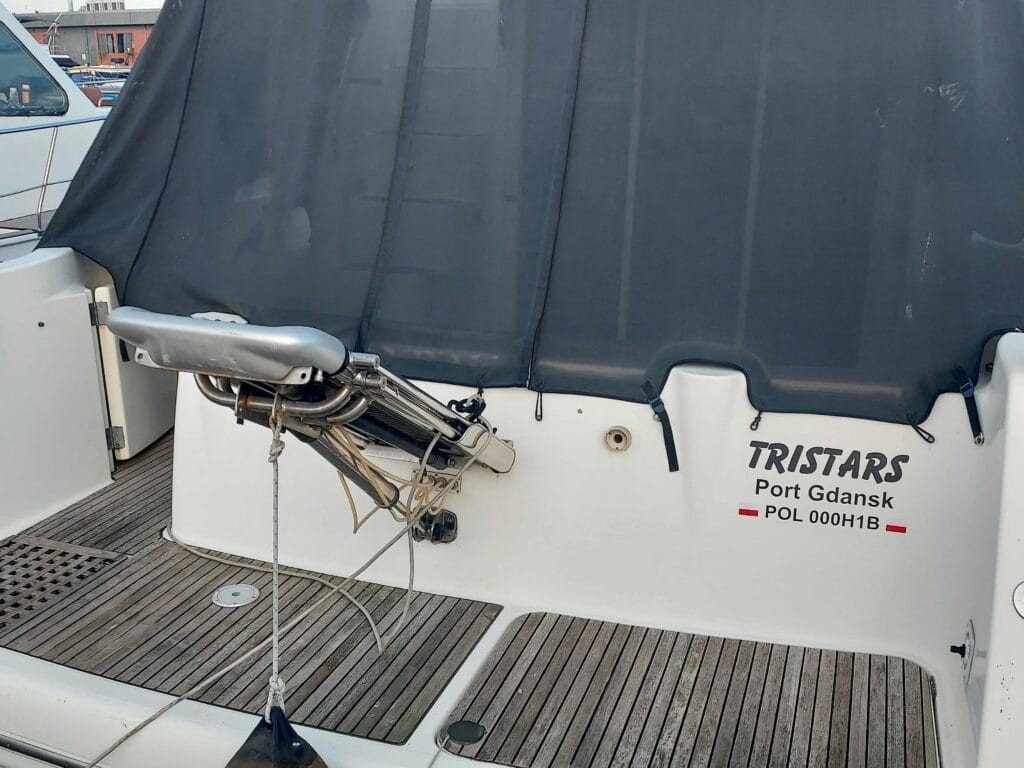
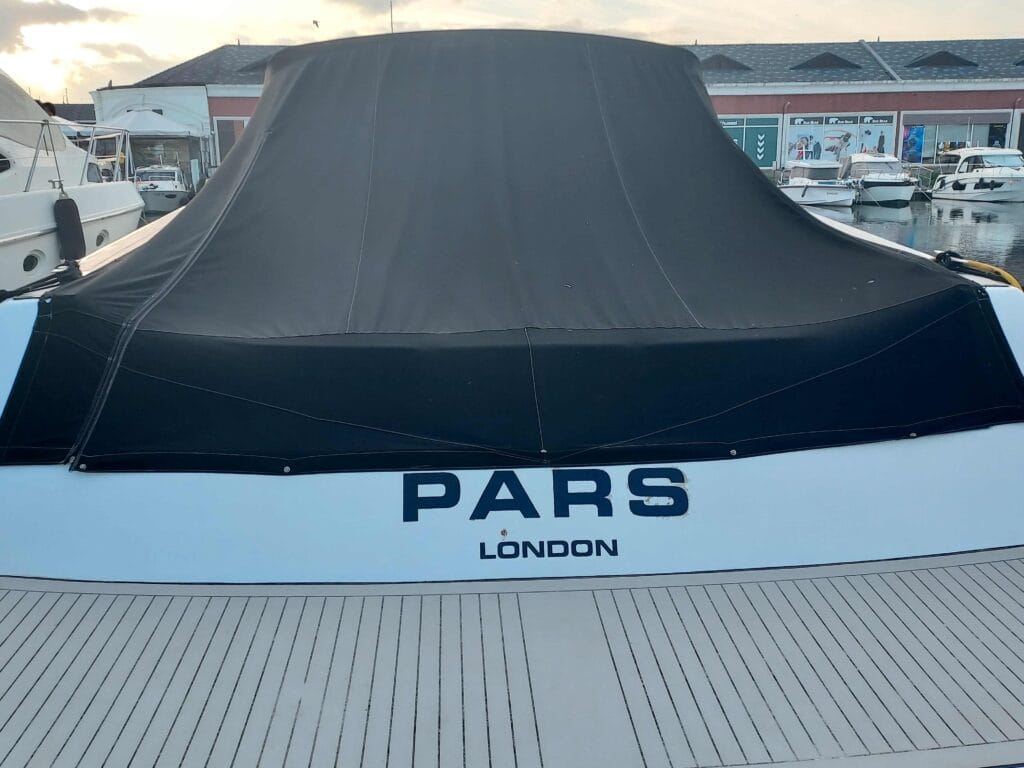
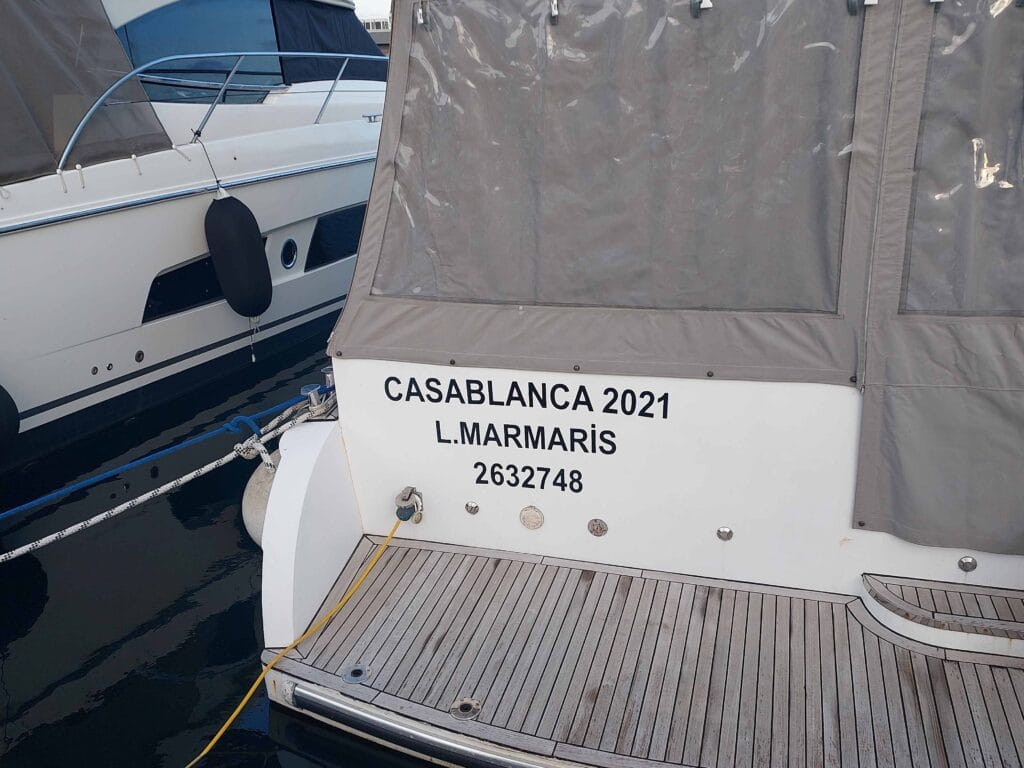
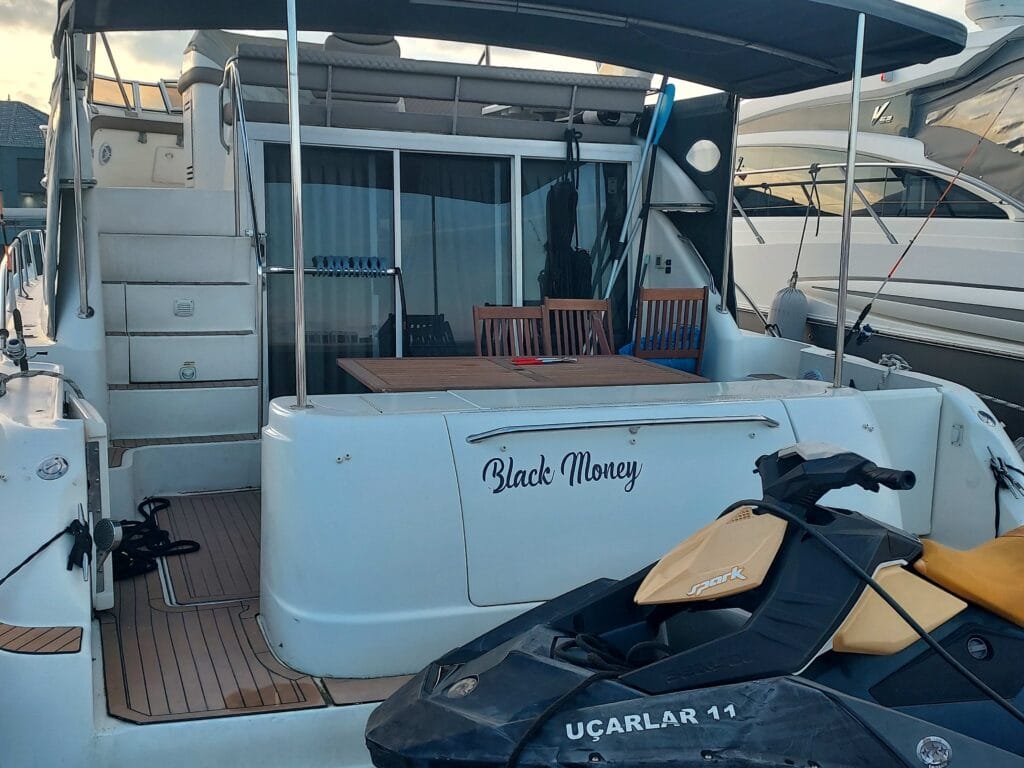
The marina turned out to be an investment by one of the richest Turkish families — they even have their own 80-foot catamarans here. At least they did not charge everyone €700 per night.
The marina was quite full here as well, and we saw people on board four other boats, but not on the rest. Our boat did stand out, though — it was decorated in a very noticeable Christmas theme:
5. Esenköy
The sailing continued and we noticed how extremely changeable the winter weather on the Sea of Marmara is: within three days it can go from 18°C to 0°C, suddenly snow, or be full sunshine — sometimes with very strong winds.
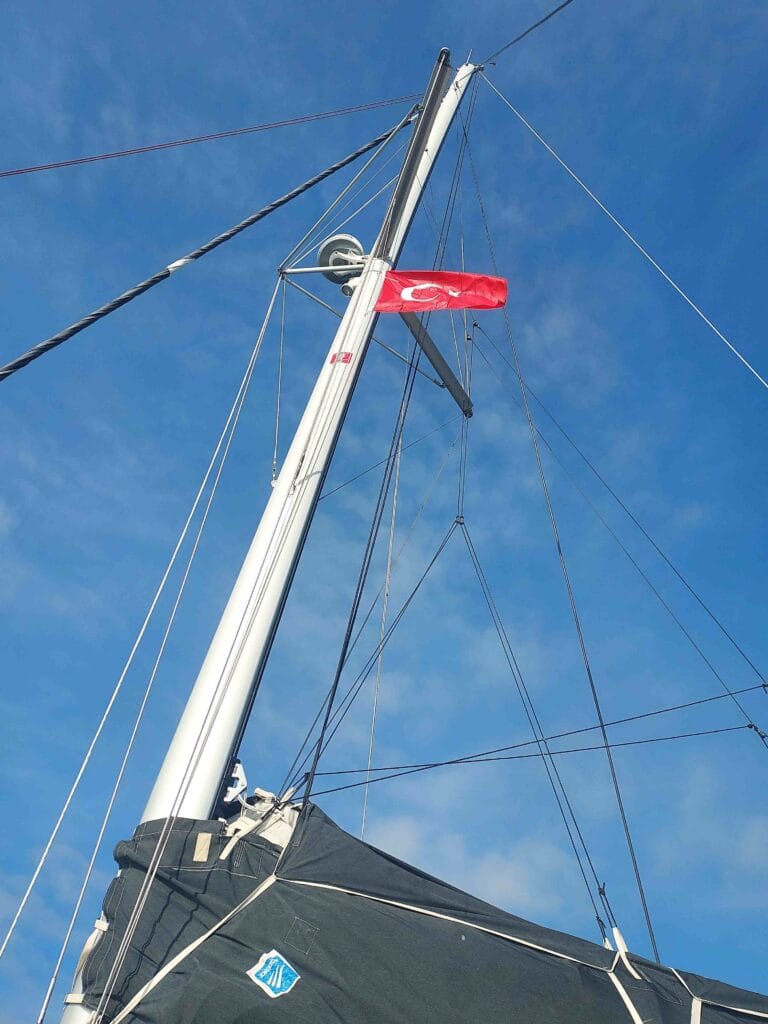
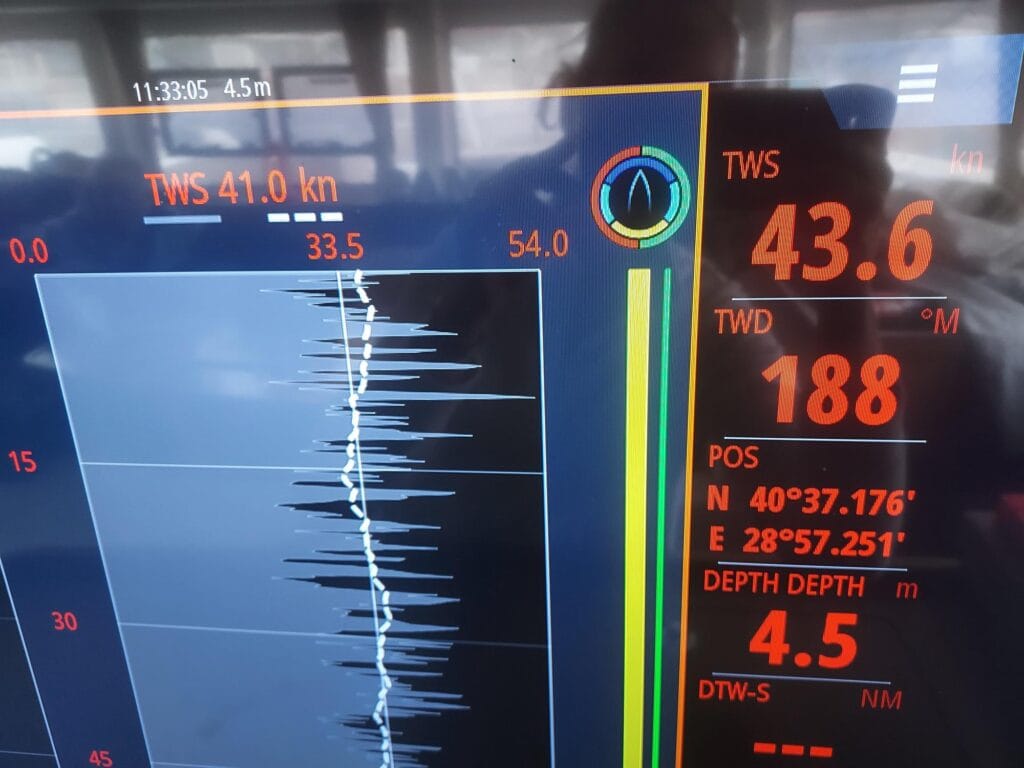
We reached Esenköy during a period of heavy wind and hoped to shelter in the fishing harbour for two days. Navily said the cooperative chairman was relaxed and open to visiting boats. And indeed he was. Ibrahim greeted us warmly, found it completely logical that we were seeking shelter — but first: tea. Of course.
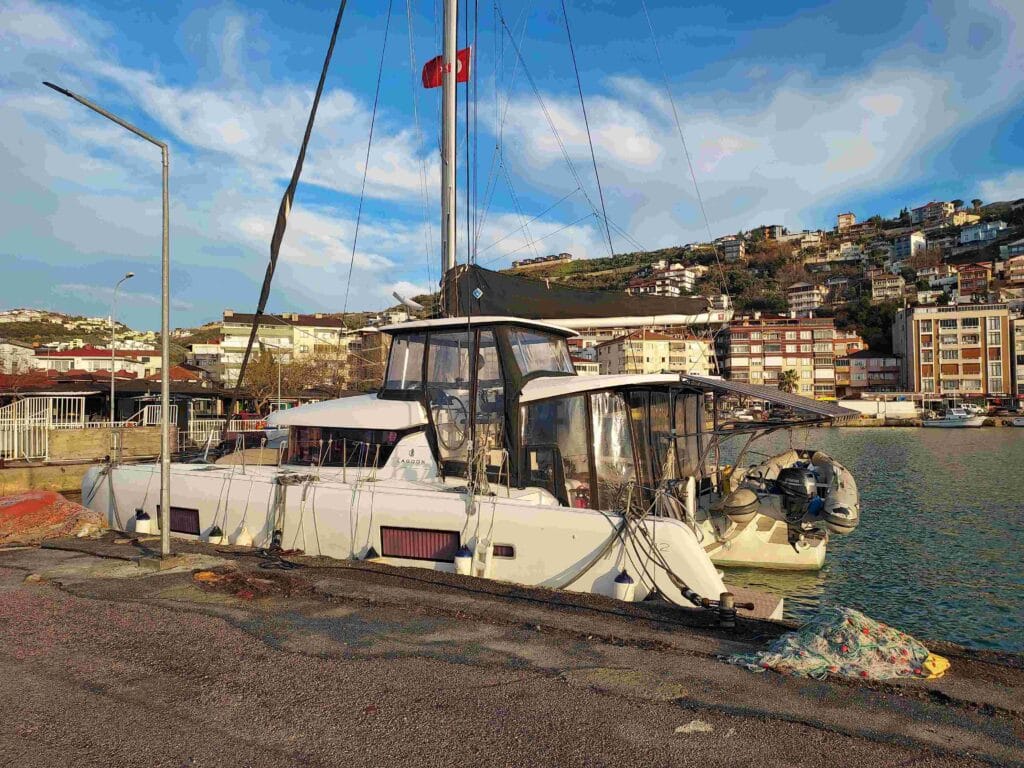
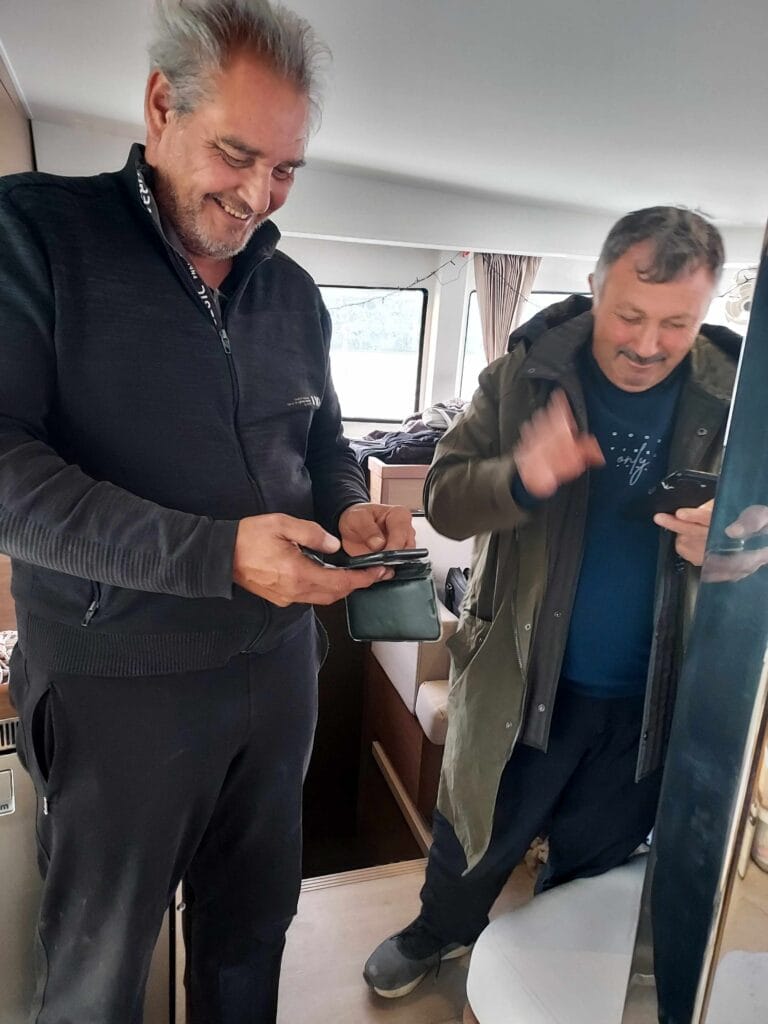
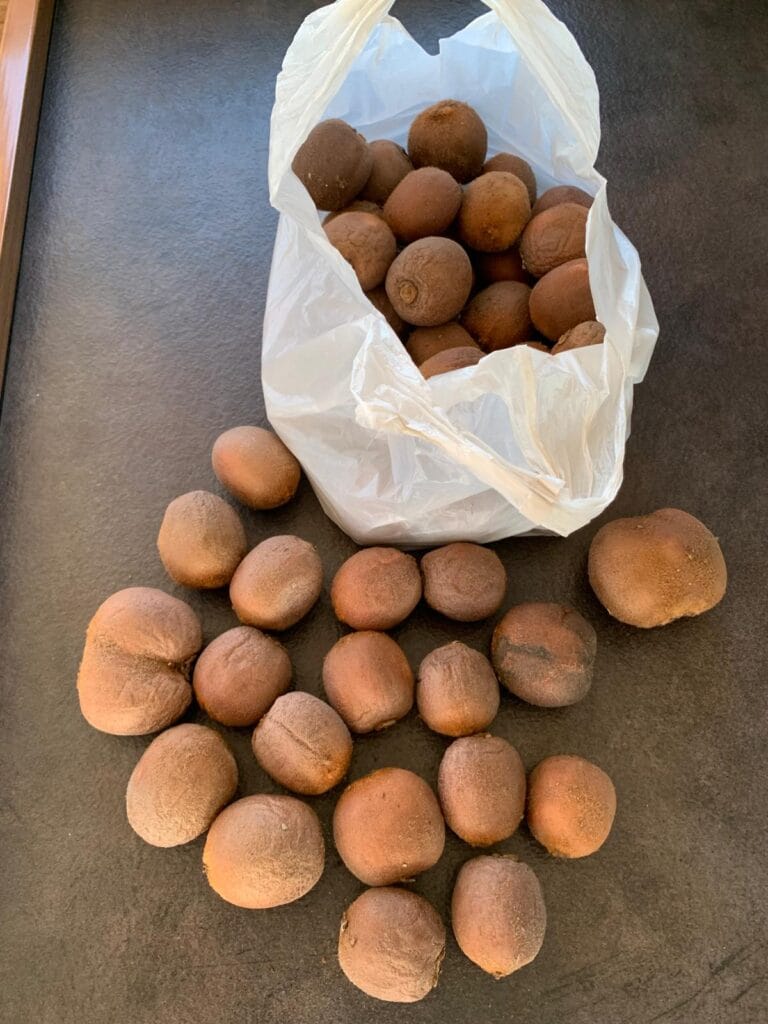
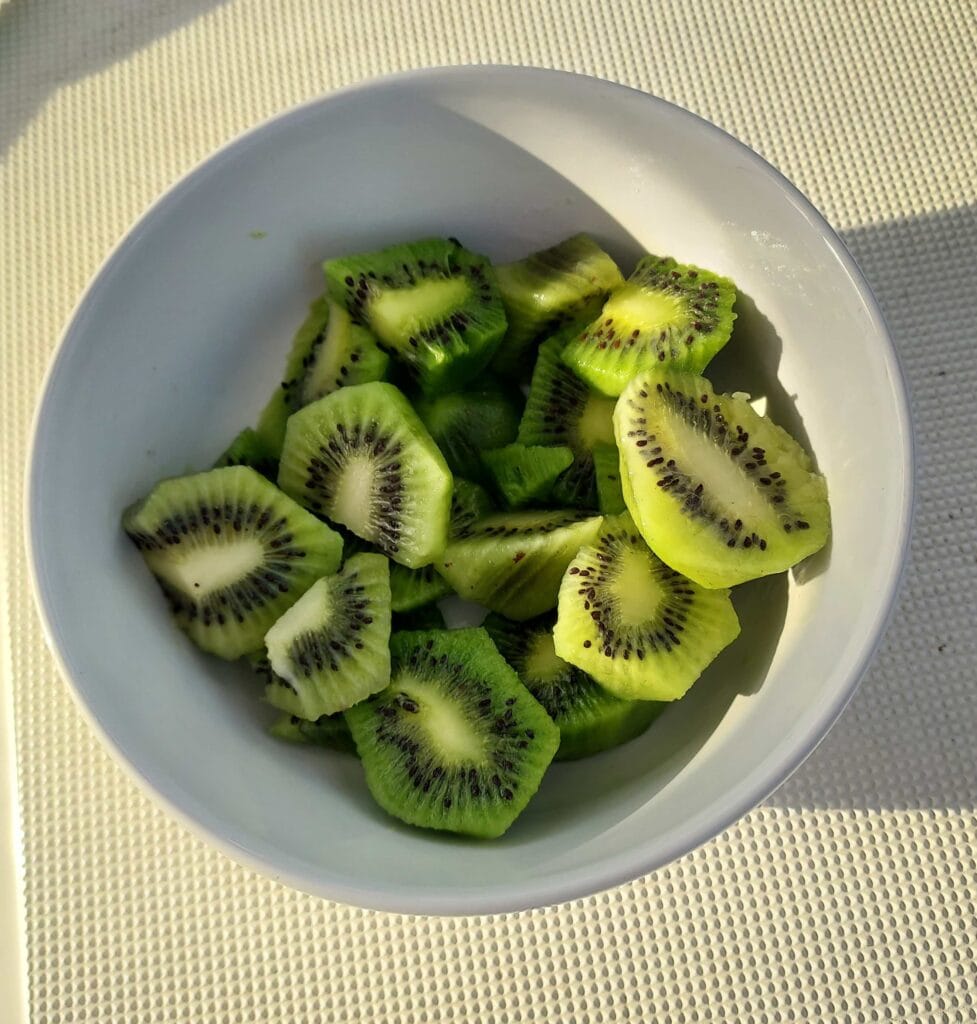
We stayed three days, had water and electricity and did not have to pay. Several times a day Ibrahim checked if we were still lying well and invited us for tea. Through Google Translate we learned that he also makes and repairs fishing nets. On the day we left, he arrived with a big bag of fresh kiwis for us.
6. Avşa
We still had strong winds and swell, but now in our favour. So we made a long sunny trip and arrived near Bandırma and the western island group. Avşa also had a fishing harbour. We chatted with locals and noticed that people who live here seem to know exactly how the wind and sea state will be the next day — even if they do not own boats. Living by the coast, it is simply part of life.
7. Kemer
Our last stop on the Sea of Marmara was Kemer. We hoped to refuel cheap diesel (56 lira = about €1.12 per litre). There was supposed to be a diesel pump — and there was, but it looked like it dated from 1950….completely rusted. Luckily, a small diesel truck was supplying another boat and came to us as well — 300 litres. Perfect timing.
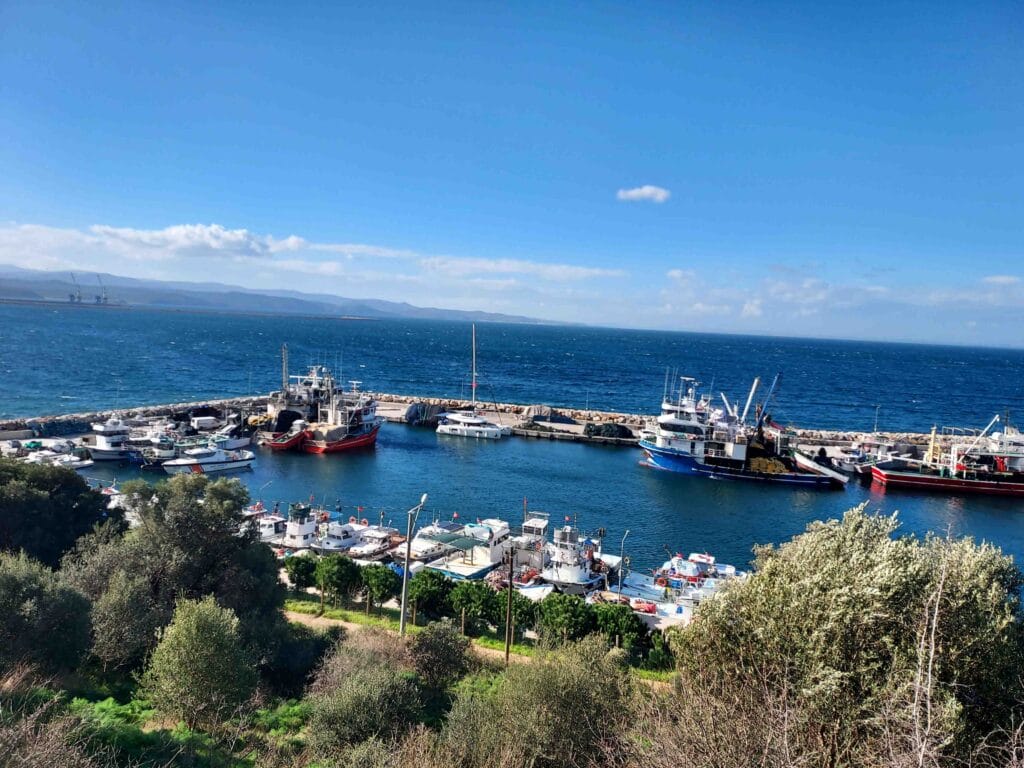
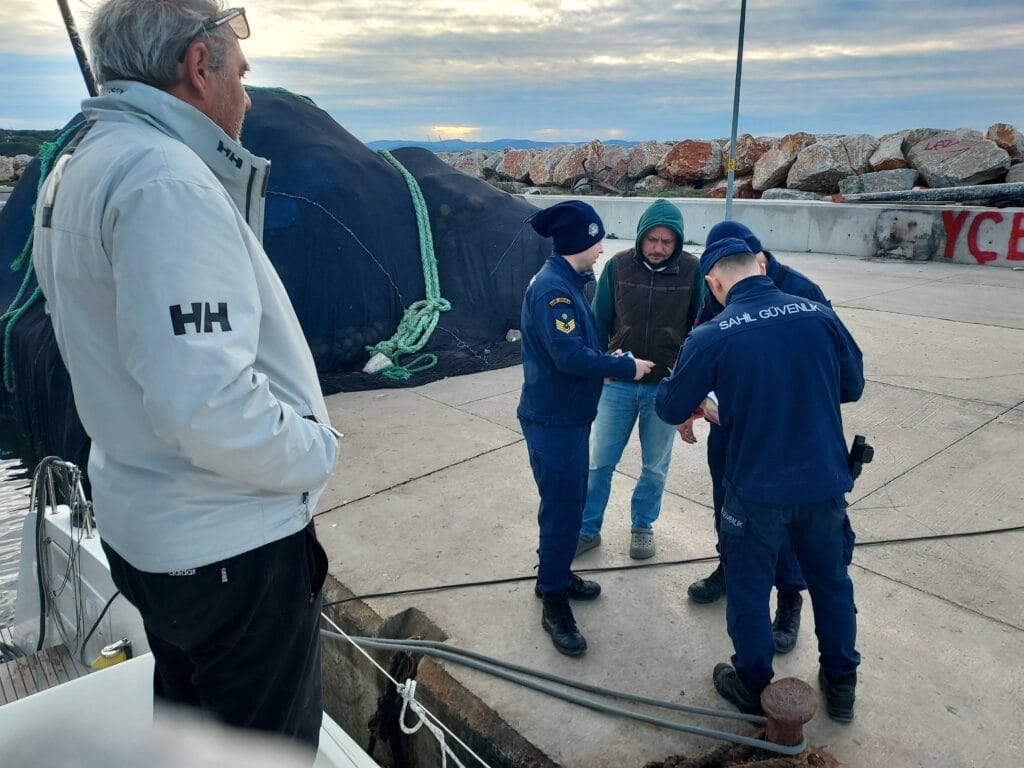
Again we were in a full fishing harbour, but locals helped us find a good spot and other boats doubled up without complaint. The coastguard came to check our papers (never had that so often in one country!) — everything fine. “Where are you from?” Holland. “Ah, many Turks live there — we call it mini-Turkey.”
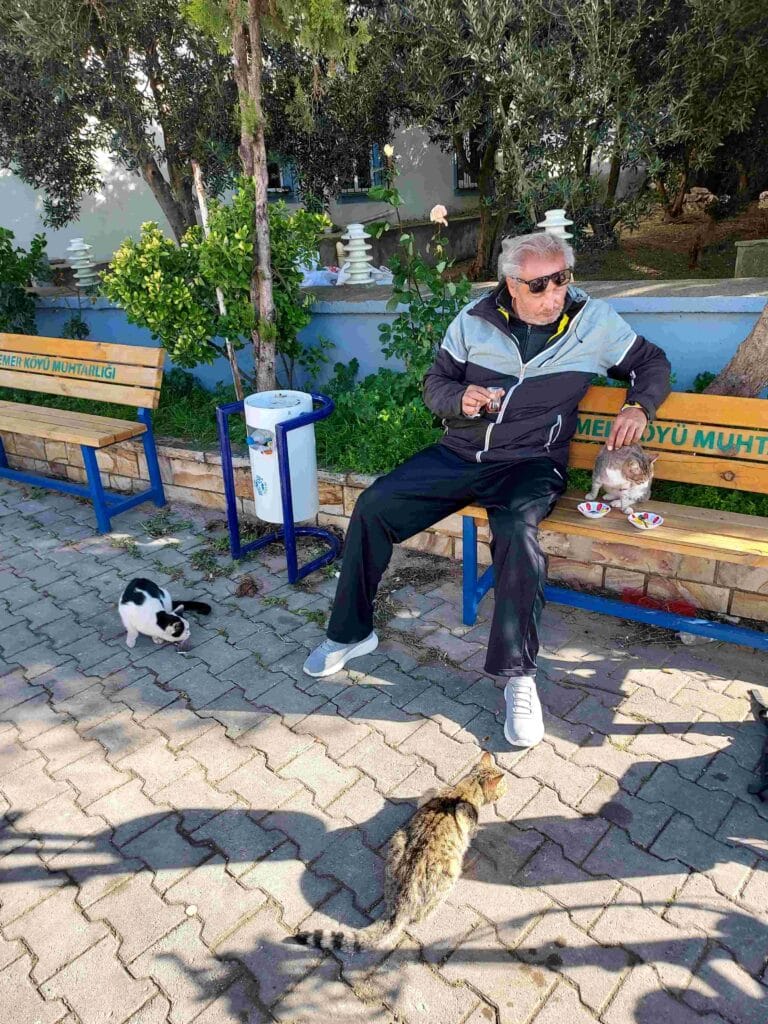
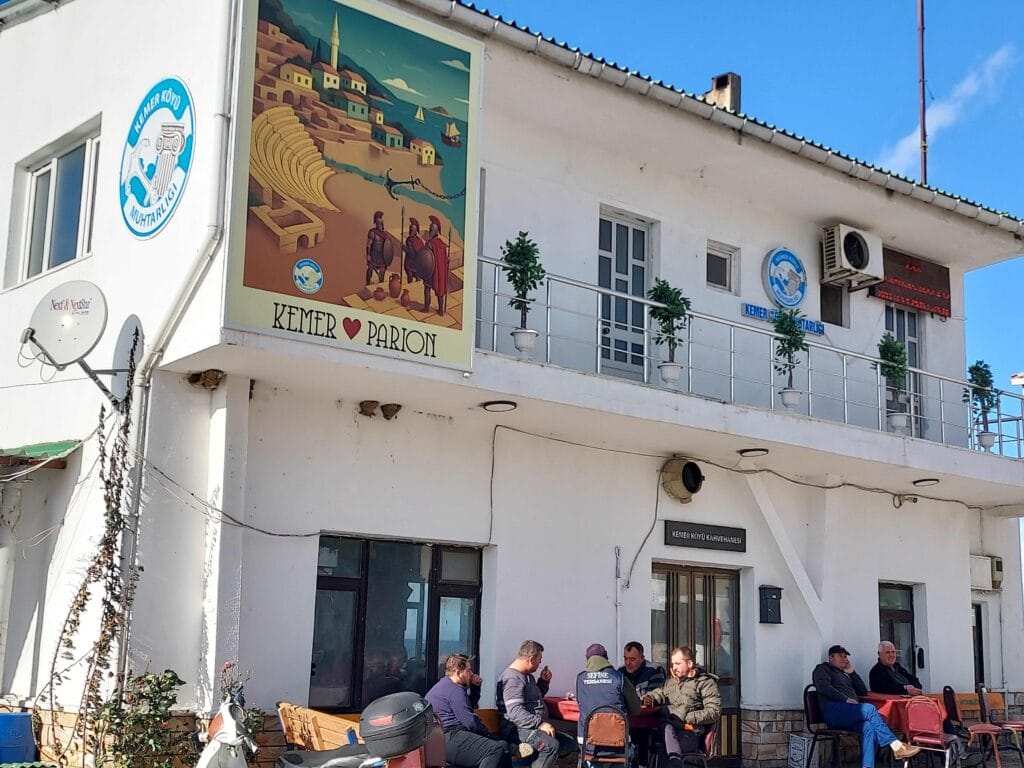
The weather was beautiful, so we went out with bikes and scooters. At a bakery we sat on a bench eating fresh bread. Opposite was another tea house, and a man approached us with two cups — a treat from the locals sitting in the tea garden.
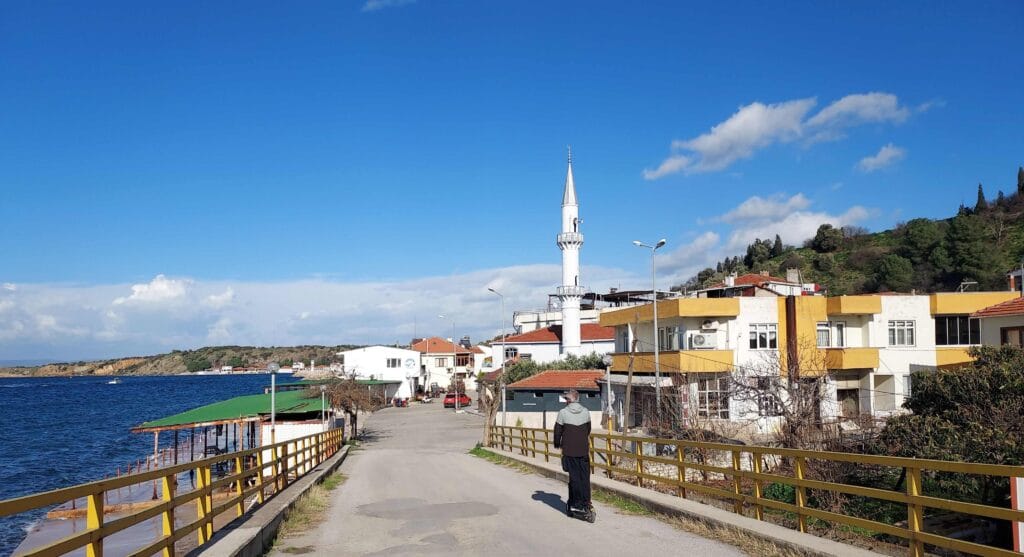
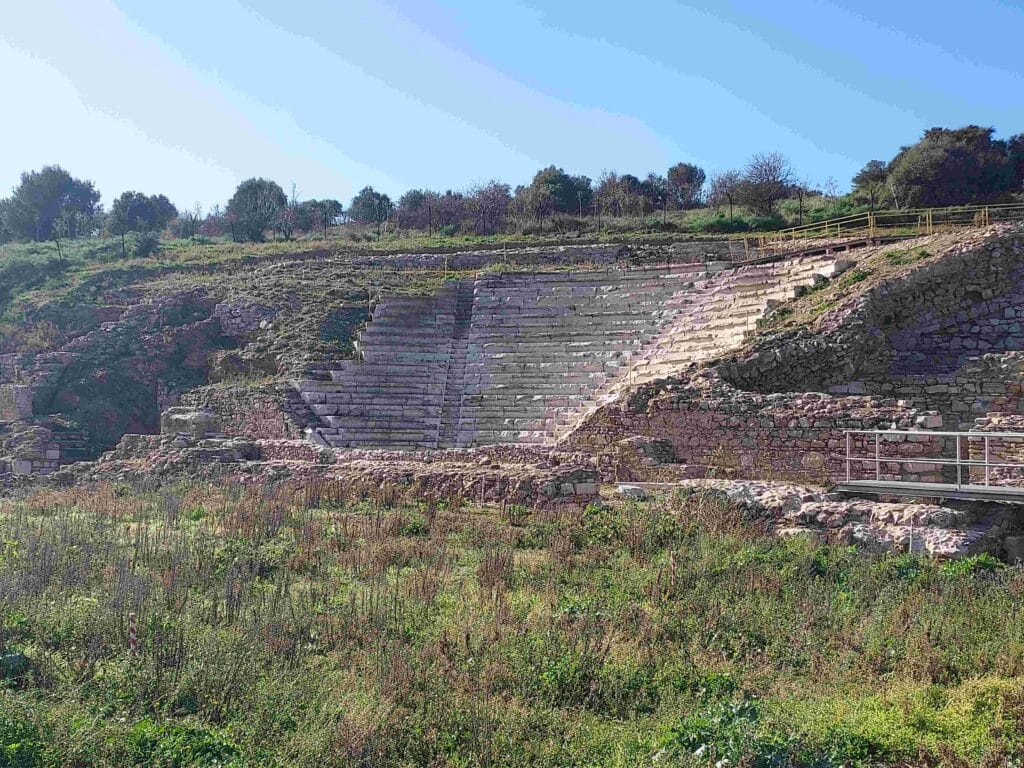
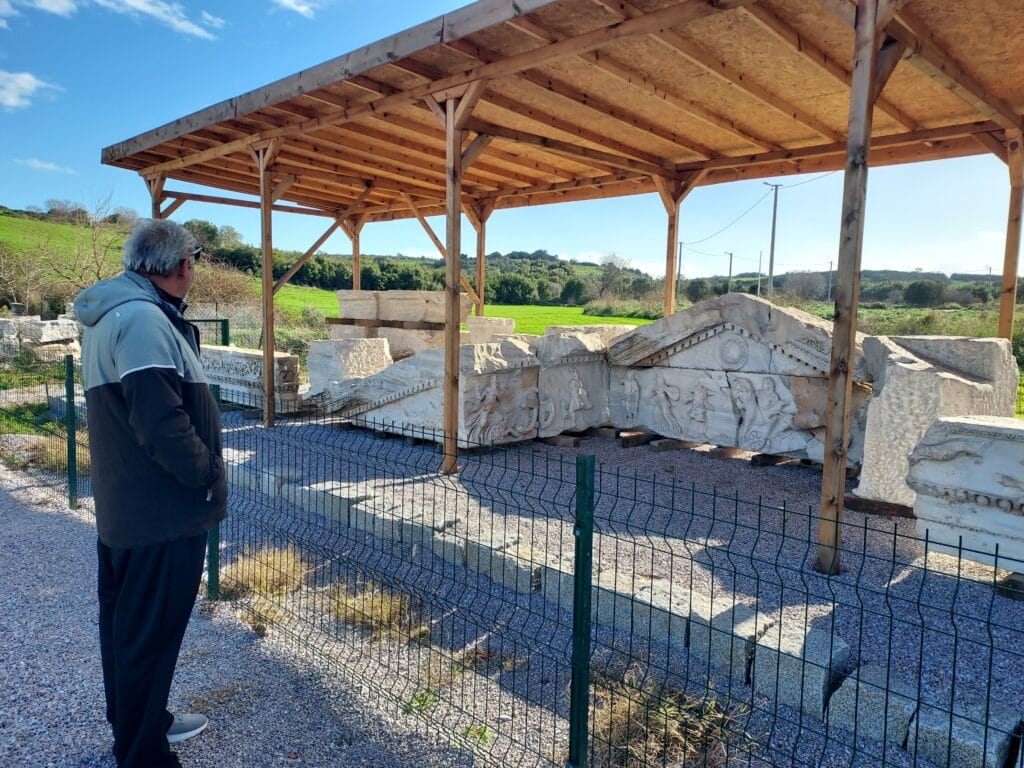
Kemer lies in a strategic position between the exit of the Dardanelles and the entrance to the Sea of Marmara. In the 8th century BC, the Greeks founded the city of Parion (also Parium) here. Remains such as a theatre can still be seen. Alexander the Great also passed through here. Under Roman rule, bathhouses with beautiful ornaments were built — remains of which are still visible today. Excavations only started in 2008, so the site is not yet very touristic.
We had already seen a beautiful illustration of ancient Parion on the wall opposite the tea house.
This was our journey across the Sea of Marmara — a sea rich in history. And I skipped one very important place: Istanbul and the Bosphorus. We also visited those — but that deserves a story of its own in the next blog.